

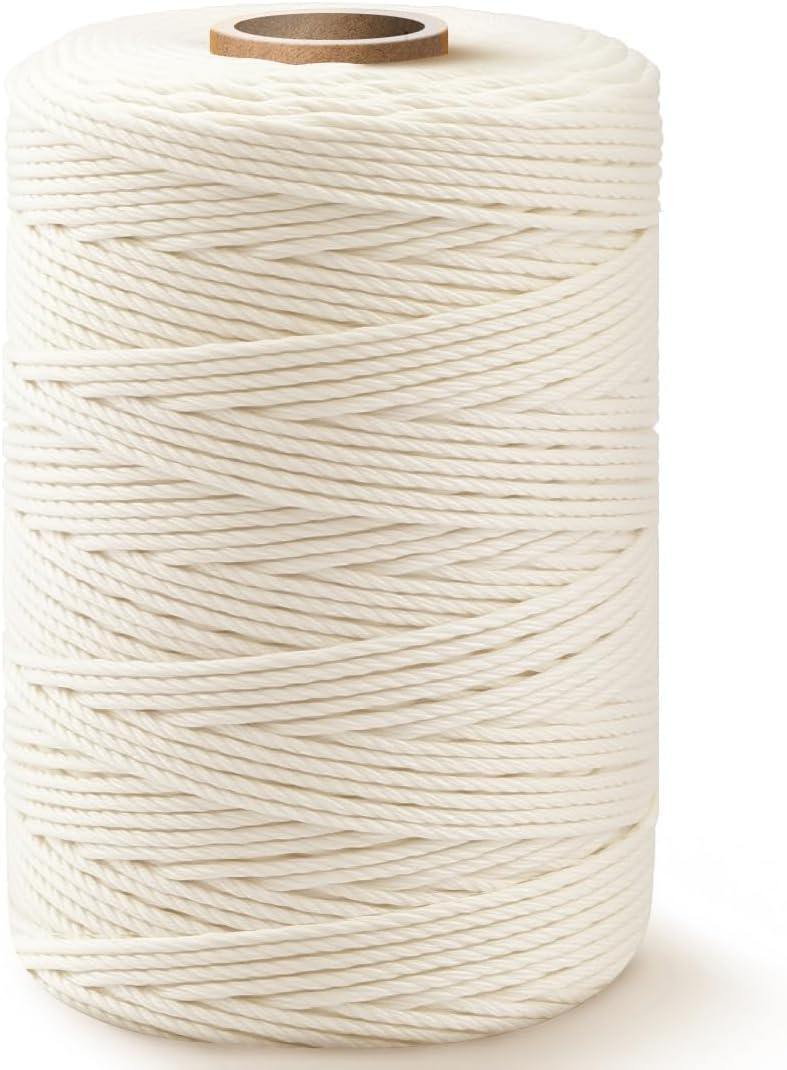
?Are you looking for a single twine solution that covers cooking, crafting, gardening, and gift wrapping without cluttering your drawers?
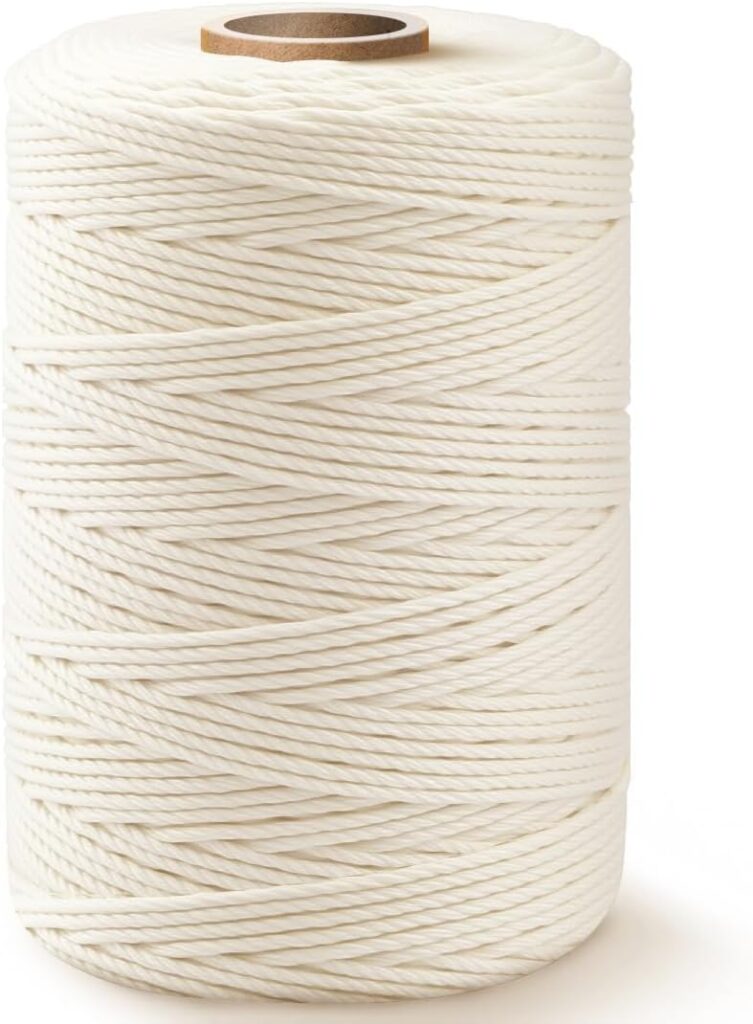

First impressions and packaging
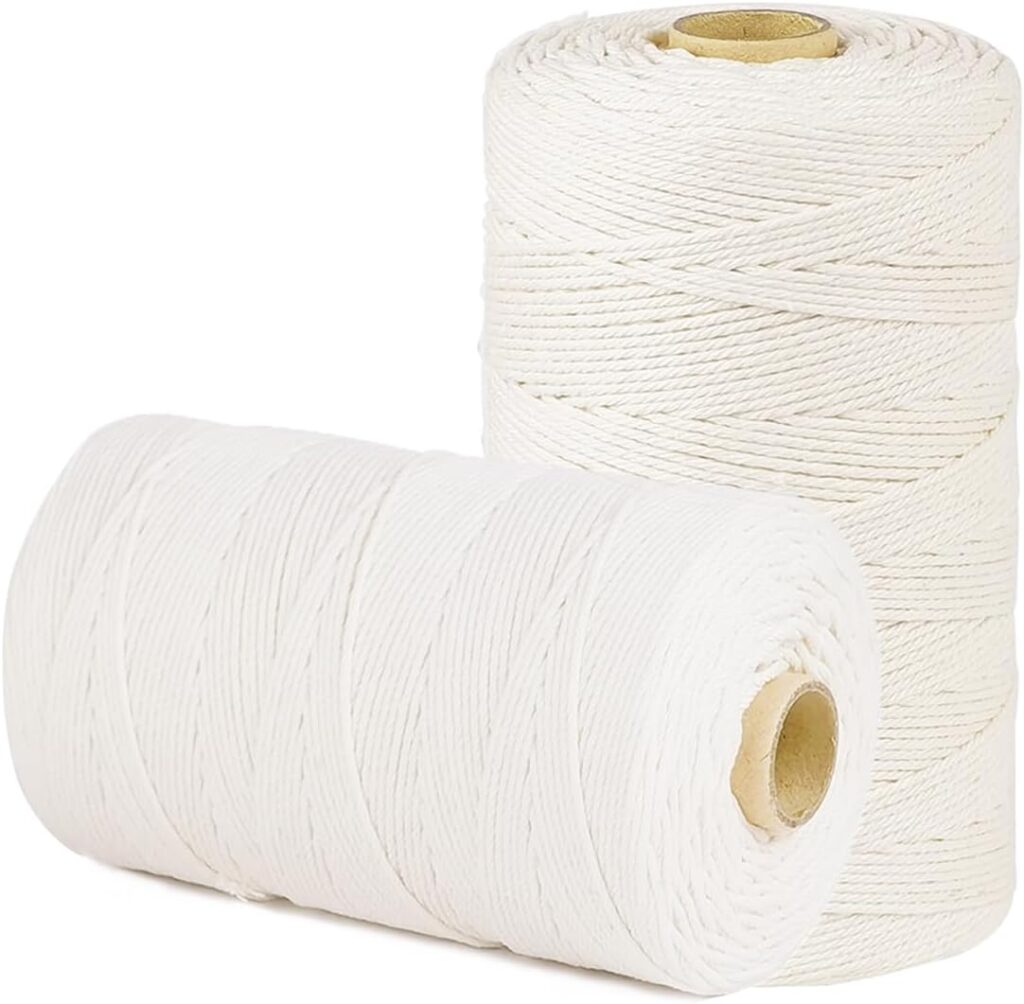
When you first get the SMART&CASUAL 600 Feet 2mm Cotton Butcher Twine String Soft Food Safe for Cooking Craft Baker Kitchen Meat Turkey Sausage Roasting Gift Wrapping Gardening Crocheting Knitting, you’ll notice the neat, tightly rolled spool and the bright natural cotton color. The packaging feels practical and fuss-free, which makes the twine easy to store and pull from immediately after unboxing.
Packaging and presentation
The spool arrives well sealed and compact, so you won’t have to worry about loose strands or tangles when you first open it. You’ll appreciate that it looks clean and kitchen-ready right out of the package, which matters when you plan to use it for food-related tasks.
Unboxing and tactile feel
When you touch the twine you’ll find it soft but with a definite structure — not limp, not overly stiff either. That soft-but-strong feel gives you confidence that it will tie well around a roast, secure parcels neatly, and handle light craft projects without fraying excessively.

SMART&CASUAL 600 Feet 2mm Cotton Butcher Twine String Soft Food Safe for Cooking Craft Baker Kitchen Meat Turkey Sausage Roasting Gift Wrapping Gardening Crocheting Knitting
SEK56.06 In Stock
Product overview and specifications
This product is exactly what the name promises: SMART&CASUAL’s natural cotton butcher twine, a 2 mm thick string with 600 feet (approximately 183 meters) of length. It’s marketed as food grade, oven safe (with cautions), and suitable for a wide mix of home and craft uses, so you get a large amount of usable twine for a modest price.
Key specifications at a glance
Below is a simple breakdown to help you quickly understand the main specs and intended uses. This will make it easier for you to match the twine to the tasks you have in mind.
| Attribute | Detail |
|---|---|
| Product name | SMART&CASUAL 600 Feet 2mm Cotton Butcher Twine String Soft Food Safe for Cooking Craft Baker Kitchen Meat Turkey Sausage Roasting Gift Wrapping Gardening Crocheting Knitting |
| Material | Natural cotton (food grade) |
| Thickness | 2 mm |
| Length | 600 feet (approx. 183 meters) |
| Primary uses | Roasting, trussing, sausages, baking, gift wrapping, crafting, gardening, crocheting, knitting |
| Heat tolerance | Oven safe (keep away from open flame) |
| Packaging | Neatly rolled and sealed |
| Hygiene note | Recommended single-use for food hygiene |
| Color/feel | Bright natural color, soft touch, good strength |
| Value | Budget-friendly, larger quantity per purchase |

Performance in the kitchen
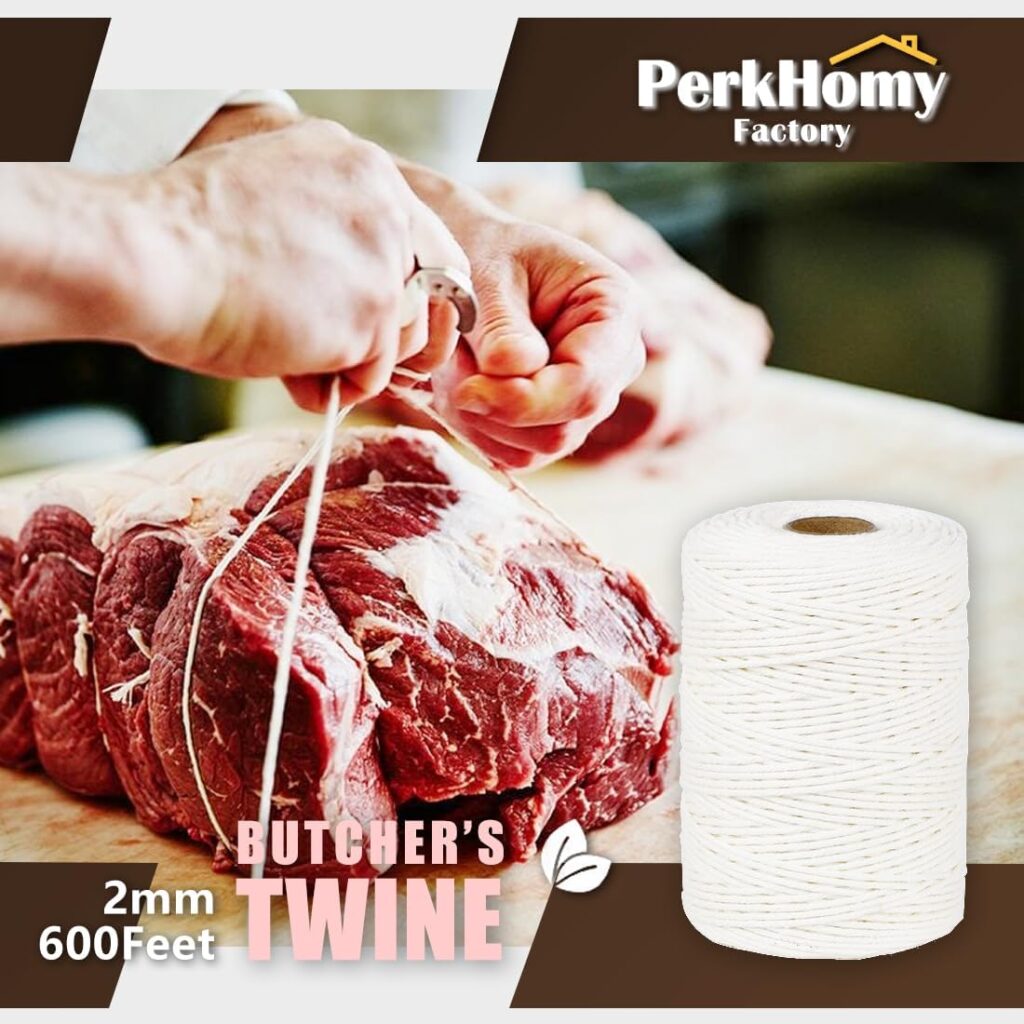
This twine was designed with cooking in mind, and you’ll find it performs well when you need to truss a chicken or tie up a roast for even cooking. The 2 mm thickness gives enough body to hold shapes securely without cutting into meat, and the length makes it economical for frequent cooks and bakers.
Tying and trussing meat
When you use the twine to truss a turkey, chicken, or roast, it holds knots securely and keeps the meat compact for even cooking. You’ll like that it lets you cinch without worrying about the string slipping off during roasting, which helps maintain presentation and cooking integrity.
Oven and heat safety
The twine is labeled oven-safe, so you can confidently use it in the oven for roasted or stuffed poultry and meats, provided you keep it away from direct flames or broilers. You should avoid using it on open flame grills or where the string could contact a gas burner or open flame, since natural cotton will burn.
Using it with sausage making and stuffed items
When you make sausages, stuffing, or small parcels of food, the twine’s softness helps you avoid damaging casings and delicate skin. Your knots will stay tight, and the twine won’t gouge or leave deep impressions on thin-walled sausages or stuffing tubes when used properly.
Performance for crafts and home projects
Because this is natural cotton twine with a soft touch and bright color, you’ll find it surprisingly versatile for non-food projects too. From rustic gift wrapping to light crocheting and decorative gardening ties, it’s a reliable multipurpose string.
Gift wrapping and presentation
For gift wrapping, the twine gives a charming, handmade look that works well with kraft paper, tags, and seasonal decorations. You’ll find it easy to double or triple wrap for a more substantial look, and it takes bows nicely if you prefer a simple, natural aesthetic.
Crocheting, knitting, and small craft projects
This twine isn’t a substitute for all yarns, but for coarse or decorative crochet and macrame projects, it performs well. If you want to make market bags, plant hangers, or decorative accents, the 2 mm thickness gives enough presence for visible texture while remaining soft enough to work with standard hooks and needles designed for cord.
Gardening and outdoor uses
In the garden, you can use it to tie young plants, make simple trellises, or bundle herbs for drying. Because it’s natural cotton, the twine will eventually break down outdoors over time, which is beneficial for temporary supports and for tying bundles that won’t be left in the soil indefinitely.
Strength, texture, and handling
You’ll appreciate a balance of softness and tensile strength with this twine: soft to the touch for comfort while tying, yet strong enough to hold heavier items like roasts or parcel bundles. The 2 mm diameter is thick enough to prevent accidental cuts in your hands during repeated use, and thin enough to knot neatly.
Knots and slip resistance
When you tie various knots — simple overhand, butcher’s knot, or square knot — this twine tends to hold well without easy slippage. You’ll still want to secure a final knot with a double wrap on heavier items, but for most kitchen and craft jobs a regular knot will stay put through cooking or transit.
Cutting length and storage
Because the twine comes in 600 feet, you’ll be cutting many lengths for different uses, and the spool format makes it easy to measure and tear or cut freehand. For storage, you can keep it in the original sealed packaging or move it to an airtight container to protect it from dust and humidity if you’re not using it frequently.
Safety and hygiene considerations
Safety and hygiene are important, especially when you’re using the twine in food prep. The manufacturer recommends single-use for food-related tasks to reduce contamination risk, and you should always keep twine away from open flames even though it’s oven safe.
Oven and heat usage in practice
You can confidently wrap a roast and roast it in the oven, paying attention to avoid any parts of the twine draping into a broiler or touching heating elements. If you need to glaze or broil near the end of cooking, remove the twine or adjust placement so the string doesn’t risk charring.
Single-use recommendation for hygiene
Because twine can pick up juices, fat, and food residue, the recommendation to use twine one time per food prep is sensible if you care about cross-contamination. If you’re wrapping items that will be eaten by multiple people or storing gifts with food, you should always use fresh twine or clean it according to a safe protocol — though natural cotton is difficult to fully sanitize once contaminated.
Advantages and strengths
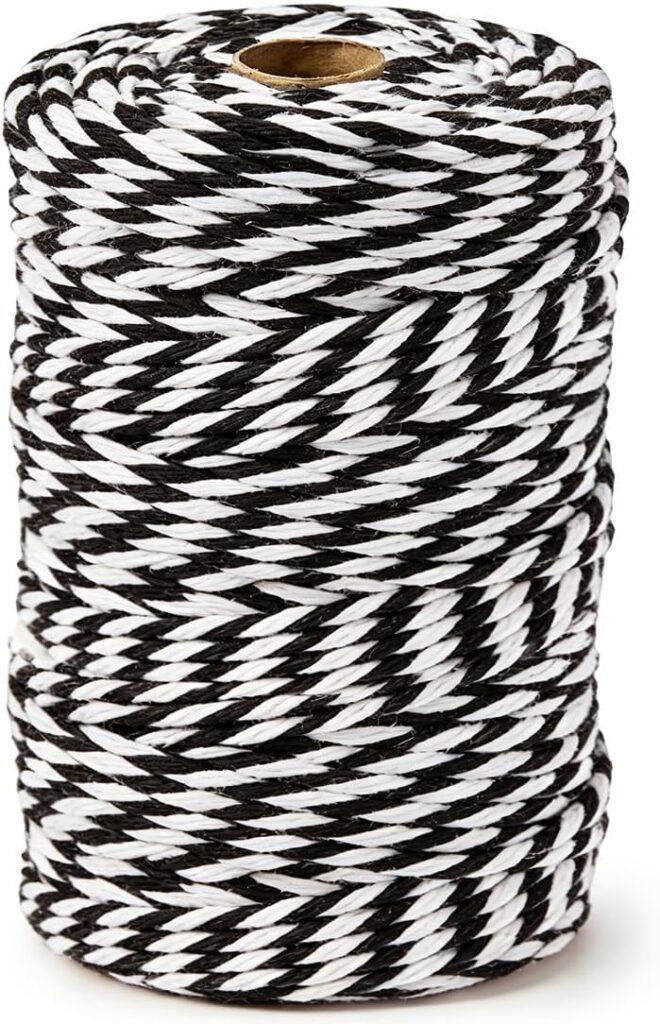
You’ll notice several clear strengths with this SMART&CASUAL twine: generous length, food-safe cotton material, soft feel, and versatility for many tasks around the home. The price point tends to be friendly compared with smaller or specialty spools, so you get a lot of use out of one purchase.
Practical value for home cooks and crafters
This twine works as a one-stop option for kitchen and craft needs, which simplifies what you store in your pantry or craft box. You’ll spend less time shopping for separate specialty cords when this twine can cover trussing, gift finishing, garden ties, and rustic crafts.
Eco-friendliness and biodegradability
Since it’s made from natural cotton, you’ll appreciate that it’s more biodegradable than many synthetic alternatives. If you’re conscious about reducing plastics in your home, this cotton twine is a small but meaningful choice toward using natural materials.
Limitations and things to watch
No product is perfect, and you’ll want to know where this twine could fall short. The main limitations are heat and flame sensitivity inherent to cotton, and the hygiene considerations for repeated food contact.
Not flameproof — keep away from open flames
While oven-safe for contained heat, cotton will burn in direct flame or high contact with an open broiler. You should not use it on flaming rotisseries, open charcoal grills where it could touch flames, or around lit candles or stoves where sparks could reach it.
Hygiene considerations for repeated use
If you’re tying many different types of food, using fresh twine each time is the safest practice to avoid cross-contamination. You’ll find it’s inexpensive enough that single-use for food tasks is reasonable, but consider separate spools for craft use if you want to keep one dedicated to food safety.
Comparisons with other twines and strings
If you’re choosing between this cotton butcher twine and other options, here’s what to keep in mind so you can match the twine to your needs. Natural cotton offers softness and biodegradability, while synthetic alternatives might provide greater heat or weather resistance.
Natural cotton vs polypropylene twine
Cotton is soft, food-friendly, and biodegradable, which is excellent for indoor cooking and crafting. Polypropylene or nylon twine can be stronger and more weather-resistant, but they’re not food-safe by default and they won’t biodegrade — so if you want natural, kitchen-safe twine, cotton is the better match.
Butcher twine vs kitchen string variants
Butcher twine is typically thicker and designed for heat and food handling, which makes it ideal for roasting and trussing. Kitchen string or baker’s twine can be thinner and more decorative; use those for gift wrapping or light packages, while you reserve butcher twine for heavier or food-related tasks.
Practical tips for best results
You’ll get more consistent results if you establish a few simple habits: keep a small pair of scissors nearby, store the spool where it won’t absorb kitchen smells or moisture, and use double knots for heavy roasts. These small steps make daily use quicker and less frustrating.
How to measure and cut consistent lengths
To cut consistent lengths without measuring every time, wrap the twine around a clean, marked surface or use your hand spans as a guide. You can also pre-cut several lengths and store them in a sealed bag for quick trussing or tying during a busy cooking session.
Tying tips to avoid slipping and fraying
When tying, start with a snug initial wrap and pull knots tight while avoiding over-tension that could cut into meat. If the twine frays at the end, pinch and twist before cutting to get a cleaner edge that’s easier to thread through loops or tie neatly.
How to truss a turkey (step-by-step)
If you plan to use this twine for poultry, here’s a straightforward method you can rely on. The steps are practical for most home cooks and will help you get even cooking and a better presentation.
- Place the bird breast-side up and tuck the wing tips under the body to prevent burning. This simple tucking helps with overall shape and even roasting.
- Slide one end of the twine under the tail and bring both ends up to the legs. You’ll want enough slack to pull the legs together without cutting into the meat.
- Cross the ends over the drumsticks and wrap around the ends of the legs, pulling snugly to bring the legs together. This keeps the bird compact and helps it cook more evenly.
- Loop the twine under the cavity and bring it forward, tying a firm knot across the breast if necessary. This anchors the truss and prevents it from loosening during roasting.
- Finish with a few extra wraps and a secure knot; you can hide the knot under the breast to keep a tidy appearance. If you’re glazing late in the roast, remove the twine briefly to glaze and re-secure if needed, but watch for heat exposure.
Creative project ideas and instructions
Because the twine is both soft and sturdy, it’s ideal for making small home decor items and gift finishes that have a rustic charm. You’ll find many quick DIY ideas that use a short length of twine and minimal other supplies.
Pretty gift wrapping and tags
Wrap a simple kraft paper package and tie the twine around it in multiple strands, finishing with a small sprig of rosemary or a paper tag. You’ll get a polished, handmade look that’s inexpensive and flexible for any occasion.
Photo string display
String twine across a wall or frame and use small clothespins to hang photos and cards. This is an easy, changeable display that you can refresh for holidays or as your favorite pictures change.
Herb bundles and drying
Tie small bunches of herbs near their stems with a short length of twine and hang them upside-down to dry. You’ll find the cotton twine holds securely and won’t chemically interact with herbs, making it suitable for kitchen use.
Value, quantity, and cost-effectiveness
With 600 feet on the roll, you’ll likely find the spool lasts a long time even if you use it for both kitchen and craft purposes. That large quantity makes single-use food practice more affordable and means you can reserve some for long-term craft projects without frequent reorders.
When to buy a second spool or different material
If you plan heavy outdoor use, gardening tasks that require prolonged sun exposure, or anything that involves wet soil, consider getting a weather-resistant alternative for those applications. For everything else—food prep, gift finishing, and indoor crafting—the SMART&CASUAL cotton twine has excellent value.
Care, storage, and longevity
Store the twine in a cool, dry place away from strong odors and moisture to keep it fresh and food-safe. You’ll also want to avoid storing it near heat or open flame to preserve its oven-safe utility.
Keeping the twine tangle-free
To prevent tangling, keep the spool in its original roll or place it on a dowel or holder that lets you pull the twine smoothly. You can also wind used lengths into small loops and secure them with a short piece of the same twine to avoid messy baskets.
Frequently asked questions (FAQs)
Below are some common questions you might have and friendly answers to guide your usage.
Is this twine safe for direct food contact?
Yes, the twine is described as food grade natural cotton, which makes it suitable for tying roasts, poultry, and sausages. You should follow the manufacturer’s advice to use it one time for hygienic reasons, especially when the twine contacts raw meat.
Can I use it on a grill or open flame?
No, you should keep the twine away from open flames and direct contact with grill flames because cotton will burn. Use the twine for oven roasting where heat is consistent and contained, but avoid draping it over flame or broiler elements.
Will the twine leave marks on my meat?
If you tie it too tightly, it can leave impressions; however, the 2 mm thickness is moderate and designed to hold without deeply cutting into meat. Tighten enough to secure shape but avoid excessive tension to preserve presentation.
Can I dye or paint the twine for crafts?
Yes, you can dye or paint natural cotton twine for crafts, but remember that dye may transfer if the twine is used on food afterward. If you plan to tint twine for aesthetic uses, keep that spool separate from food-use twine.
How long will one spool last?
That depends on your usage, but with 600 feet you’ll have a large amount for many meals and projects—whether you truss a few turkeys a year or do frequent gift wrapping. For occasional home cooks, one spool can last many months to a year; for crafters who use twine regularly, you may go through it faster.
Pros and cons summary
You’ll find a balanced mix of benefits and a few manageable drawbacks with this product, which helps you decide whether it fits your habits and priorities.
Pros
- Large 600-foot length at a budget-friendly price, which offers great value for money.
- Food-grade natural cotton, soft to the touch and safe for oven use when properly handled.
- Versatile across cooking, crafts, gift wrapping, and gardening.
- Biodegradable and eco-friendlier than synthetic twines.
Cons
- Cotton is flammable and must be kept away from open flames and broiler elements.
- Single-use recommendation for food prep increases consumption compared with reusable alternatives.
- Not weatherproof for long-term outdoor or heavy-duty applications.
Final verdict and recommendation
If you want an affordable, all-around twine that makes cooking and crafting easier, the SMART&CASUAL 600 Feet 2mm Cotton Butcher Twine String Soft Food Safe for Cooking Craft Baker Kitchen Meat Turkey Sausage Roasting Gift Wrapping Gardening Crocheting Knitting is an excellent pick. You’ll like its balance of strength, softness, and generous length, and it’s a practical, eco-friendlier choice for most home uses.
Who should buy this twine?
Buy it if you cook regularly, make roasted dishes, wrap gifts often, or enjoy light DIY and crafting projects that call for a natural, food-safe cord. If most of your work is outdoors in wet or intense weather conditions, you might consider a synthetic or weatherproof alternative for those specific tasks.
Final tips before you buy
Keep one spool dedicated to food use and another for crafts if you want to maintain greatest hygiene standards, and always store the twine in a clean, dry spot. With a few small habits, you’ll get a lot of practical use out of this single, versatile roll.
Disclosure: As an Amazon Associate, I earn from qualifying purchases.