

Want cleaner, fresher air in your Acura or Honda without spending a lot of time or money?
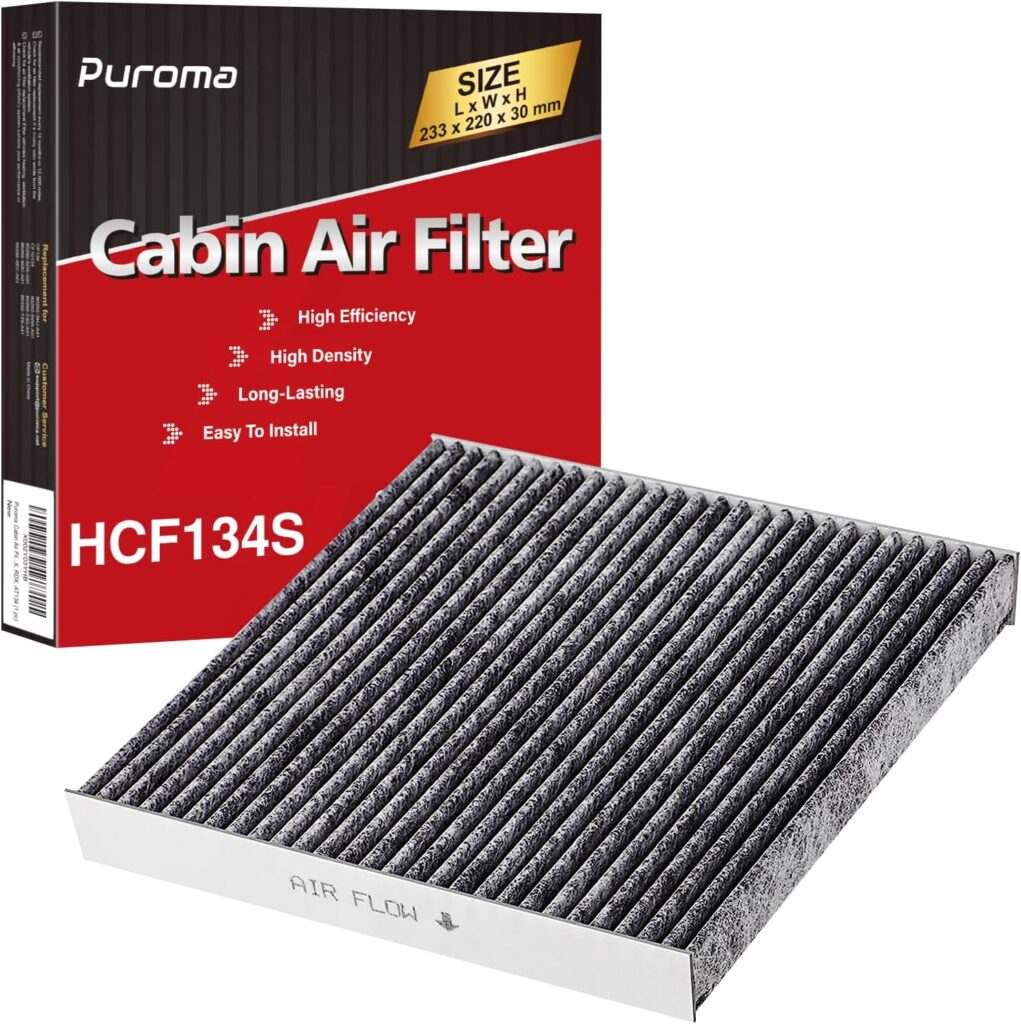

Overview of the Puroma Cabin Air Filter with Activated Carbon, Replacement for CP134, CF10134, Honda & Acura, Civic, CR-V, Odyssey, CSX, ILX, MDX, RDX, AT134 (1 pc)
You’ll find this Puroma cabin air filter positioned as an affordable replacement that uses activated carbon and a non-woven filter layer to capture odors and particles. This overview summarizes what it claims to do and why it might be the next maintenance item you choose for your vehicle.
What the product promises
Puroma advertises effective odor control and particle filtration via a soda woven layer combined with activated carbon, aiming to offer a cleaner cabin environment. It also touts easy installation, a snug fit for many Honda and Acura models, and a positive impact on HVAC performance.
Who this filter is for
If you drive a compatible Honda or Acura and want to improve in-cabin air quality, this filter is aimed at you. It’s particularly useful if you’re sensitive to odors, pollen, or dust, or if you notice reduced airflow from your HVAC system that could be caused by a clogged cabin filter.
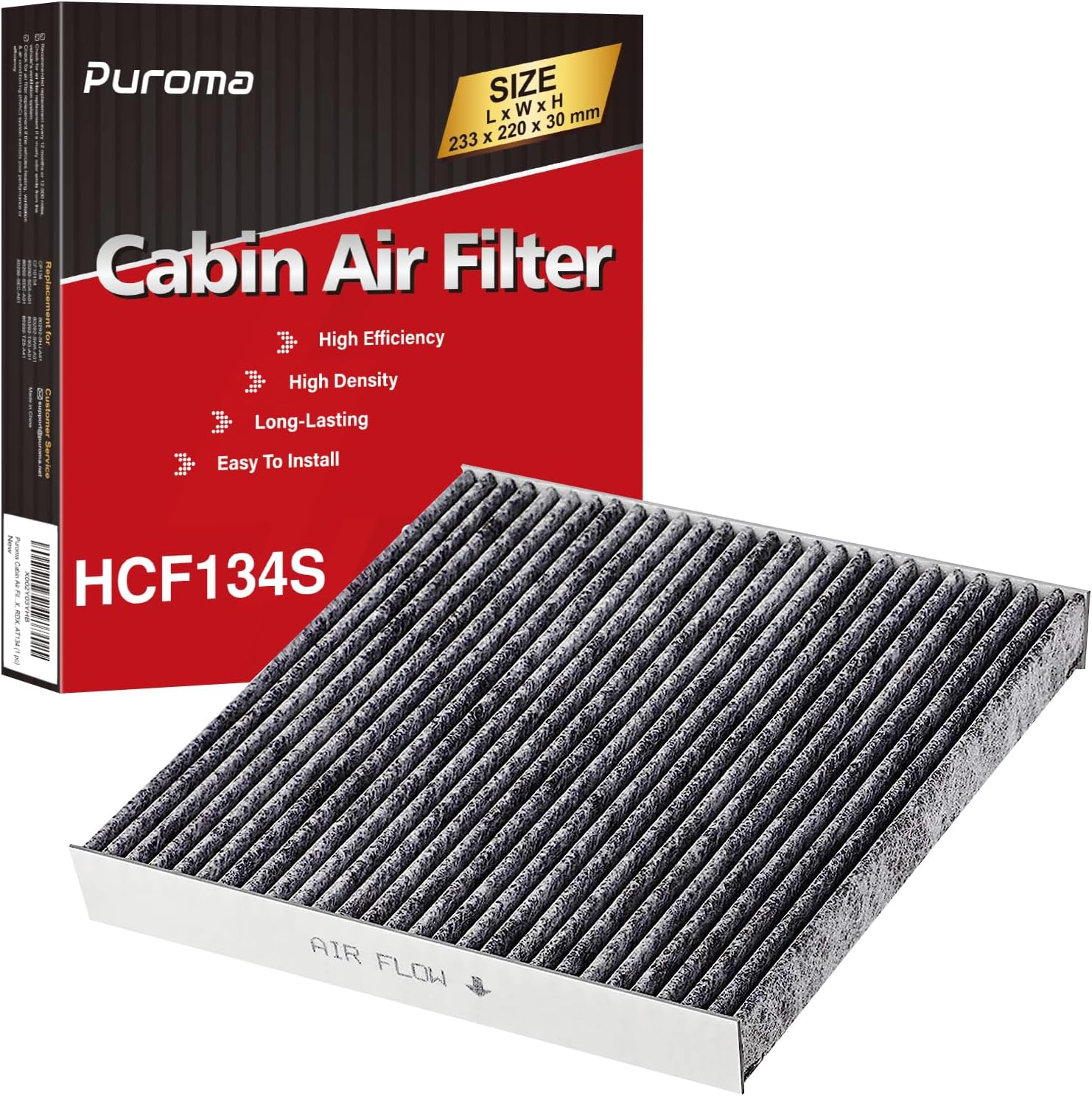
Puroma Cabin Air Filter with Activated Carbon, Replacement for CP134, CF10134, Honda & Acura, Civic, CR-V, Odyssey, CSX, ILX, MDX, RDX, AT134 (1 pc)
GBP7.4 In Stock
Key features summarized
You’ll want to know the core features at a glance before reading the deeper sections, so here’s a compact breakdown. This list highlights the most meaningful aspects you’ll care about when choosing a cabin filter.
Feature highlights
The Puroma filter combines a close-meshed non-woven layer with activated carbon to filter particles and absorb odors, helping keep your cabin air fresher. It’s designed to be a direct-fit replacement for many Honda and Acura models and claims a straightforward installation process of about 10 minutes.

Product specifications table
Below is a simple table to make the main specs and claims easier to scan and compare quickly. You can use this when deciding if the filter matches your needs and expectations.
| Specification | Details |
|---|---|
| Product name | Puroma Cabin Air Filter with Activated Carbon, Replacement for CP134, CF10134, Honda & Acura, Civic, CR-V, Odyssey, CSX, ILX, MDX, RDX, AT134 (1 pc) |
| Filtration media | Close-meshed non-woven layer + activated carbon (soda woven) |
| Primary benefits | Odor absorption, particle capture, cleaner cabin air |
| Recommended replacement interval | Every year or every 12,000 miles; every 5,000 miles in heavily polluted/dirt road conditions |
| Installation time | Approximately 10 minutes |
| Fit confirmation | Check upper left corner compatibility note on package/listing |
| Compatible brands/models | Wide range of Honda and Acura models (see compatibility section) |
| Pack size | 1 piece |
| Claimed HVAC benefit | Helps optimize heating and AC flow capacity |
| Country of vehicle fit emphasis | Honda & Acura models prominently listed |
You can use this table as a quick checklist to confirm whether the Puroma filter matches what you need before buying or installing it.
Design and materials
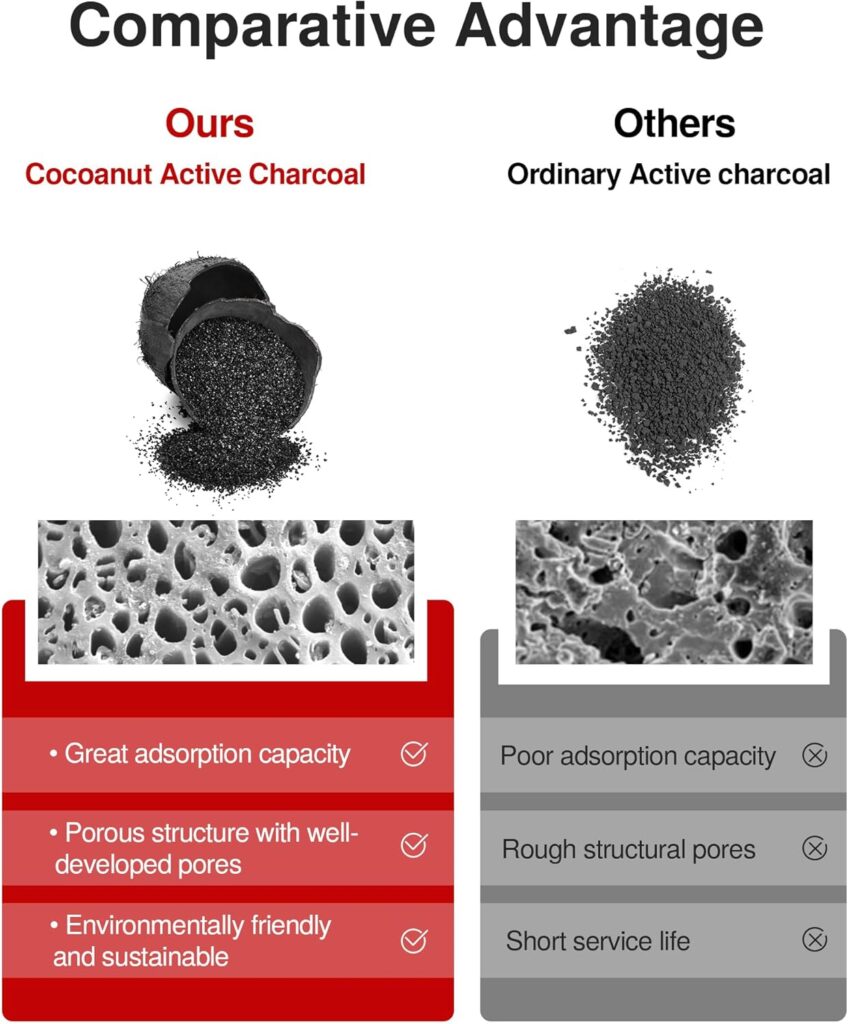
You’ll notice the filter uses a combination of materials intended to balance particle filtration and odor control. The close-meshed non-woven fabric blocks dust and particulate matter, while the activated carbon layer traps odor-causing chemicals.
How the construction affects performance
The dual-layer concept helps the filter handle both mechanical particles and gaseous contaminants, which is useful if you drive in traffic-heavy or urban areas where odors and exhaust particulates are more common. Because the filter also emphasizes a high flow capacity, you shouldn’t see a significant drop in HVAC airflow if it’s installed properly.
Build quality expectations
You should expect a reasonably robust feel for an aftermarket cabin filter in this price bracket, but the long-term durability will depend on driving conditions and maintenance frequency. The edges and sealing surface are critical for fit—if they’re not snug, unfiltered air can bypass the media.
Filtration performance in real-world conditions
You’ll want to understand how this filter performs beyond the spec sheet when you’re in the car breathing the air. Performance hinges on particle capture efficiency, odor absorption, and how much the filter affects air flow.
Particle capture and allergen reduction
The close-meshed non-woven layer is designed to trap common airborne particles such as dust, pollen, and some road grit. If you suffer from seasonal allergies, switching to a functioning cabin filter like this one should reduce the volume of pollen inside the cabin, making drives more comfortable.
Odor control with activated carbon
Activated carbon is effective at adsorbing many volatile organic compounds (VOCs) and common odors from traffic, smoke, and other sources. You’ll likely notice a reduction in stale or exhaust-like smells after installing this Puroma filter, especially compared to a heavily soiled or missing cabin filter.
Fit and compatibility
If you’re considering this filter, matching fitment to your specific vehicle is critical. The product lists compatibility for many Honda and Acura models, but you’ll want to double-check your vehicle year and model before purchasing.
How to verify fit before buying
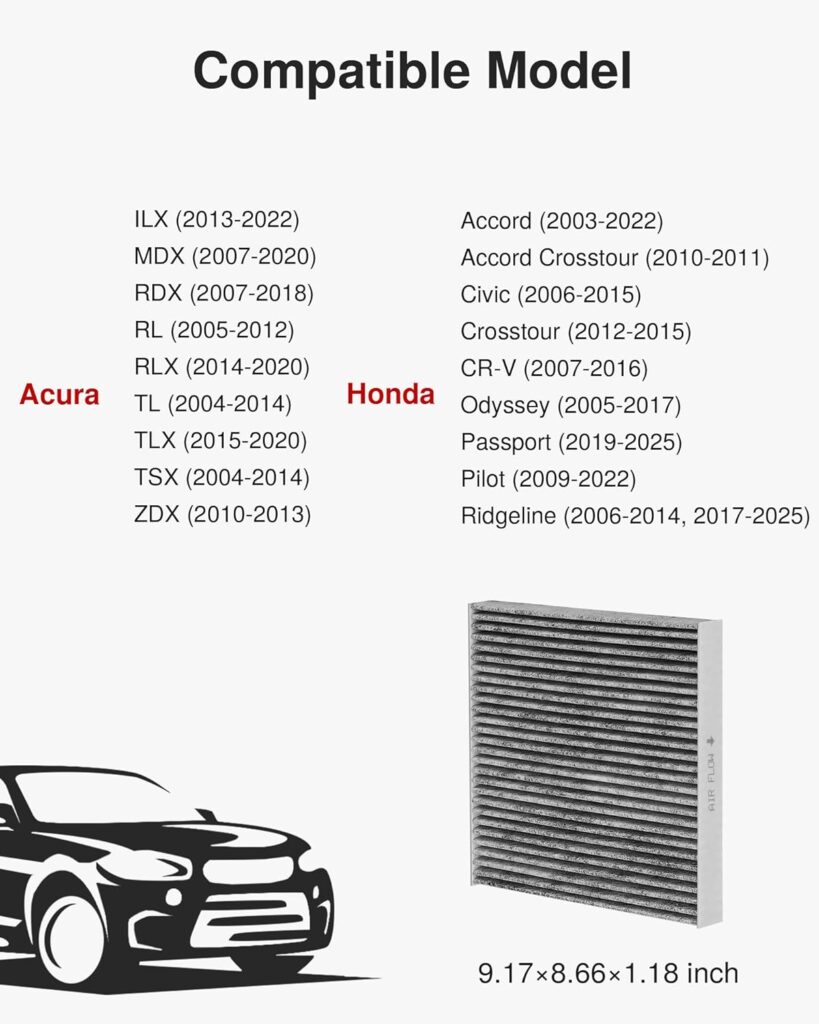
You should always check the compatibility note shown in the upper left corner of the product listing or packaging and confirm it matches your vehicle make, model, and year. If you’re unsure, consult your owner’s manual or compare the old filter’s part number (CP134, CF10134, AT134 are referenced) with the replacement.
Compatible models overview
The filter claims broad compatibility across many Honda and Acura vehicles. If you own one of the listed vehicles—ILX, MDX, RDX, RL, RLX, TL, TLX, TSX, ZDX for Acura; Accord, Civic, CR-V, Odyssey, Passport, Pilot, Ridgeline, Crosstour for Honda—you should find this filter fits. Always double-check multiple sources or the part number to avoid returns.
Installation experience
You’ll likely find installation straightforward if you’re comfortable performing basic car maintenance. The manufacturer states it takes about 10 minutes and provides an airflow arrow to guide orientation.
Step-by-step expectations
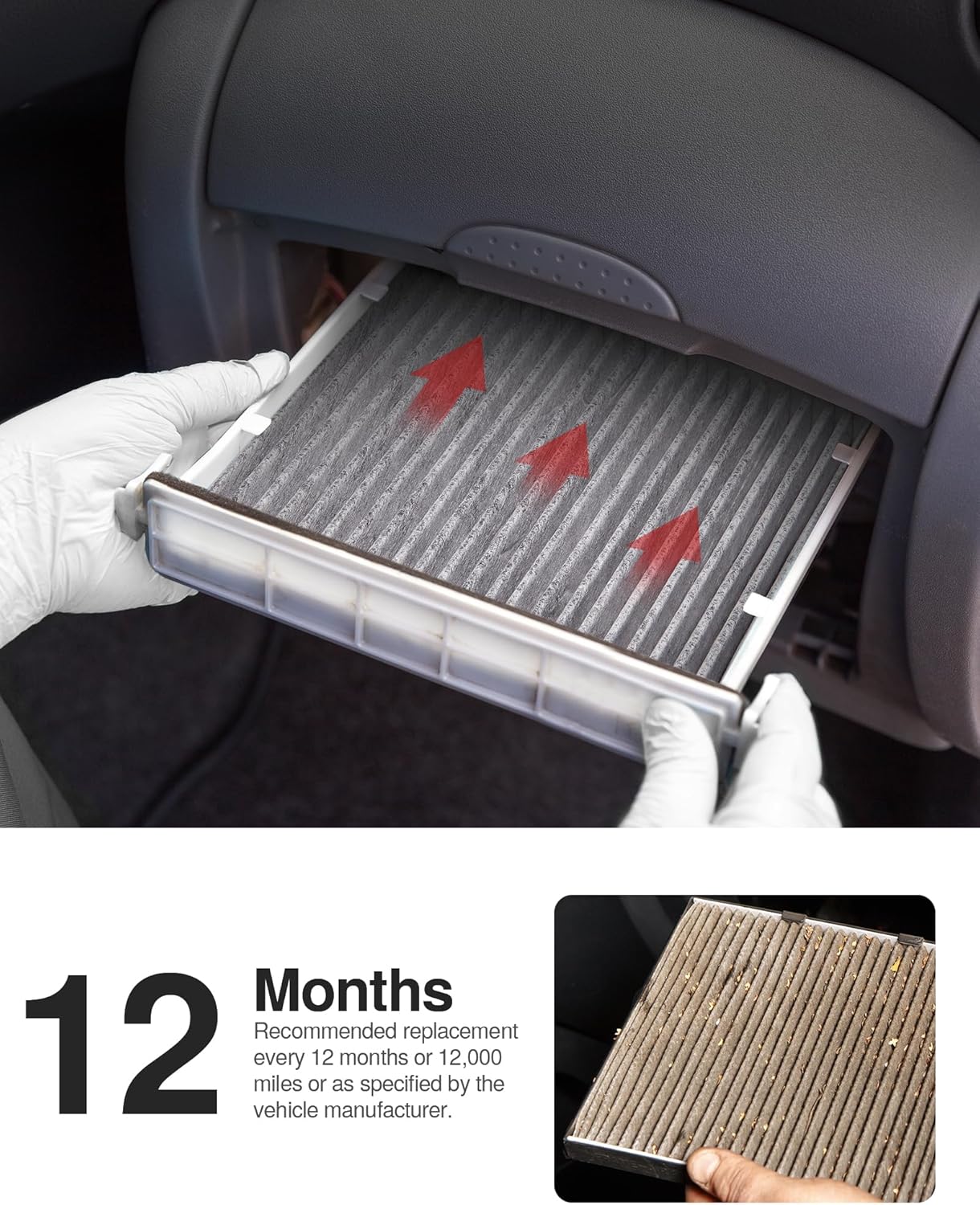
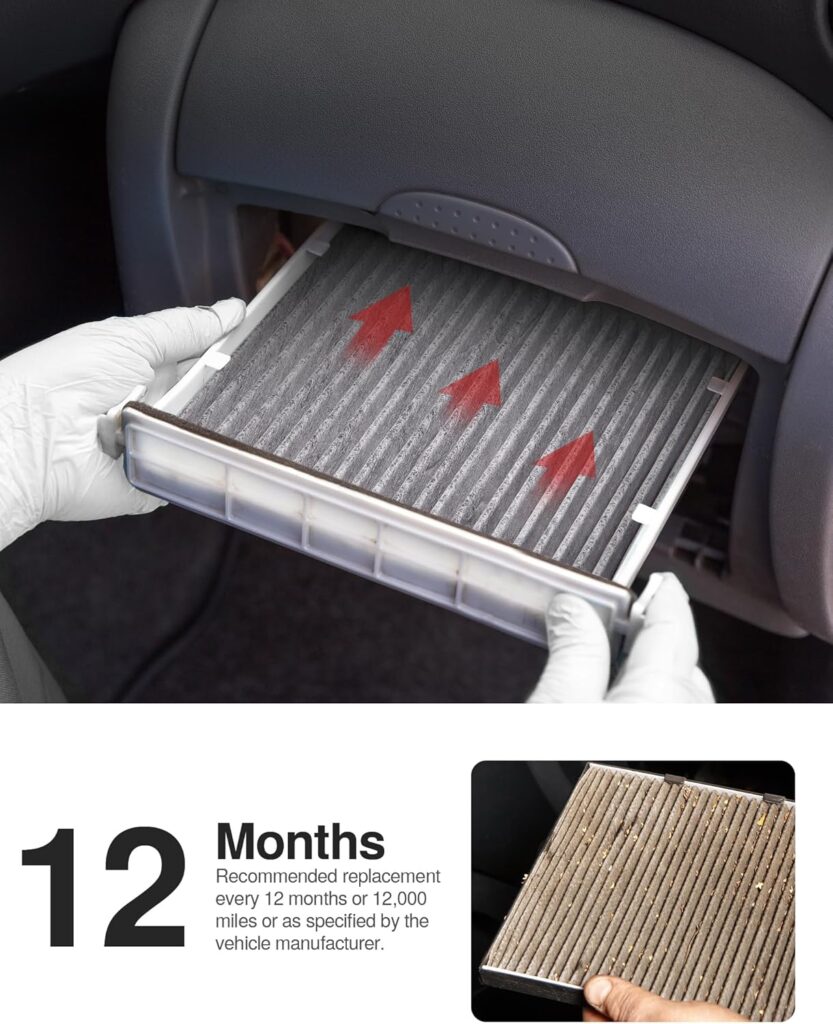
In most cars, you’ll remove the glove box or access panel, locate the cabin filter housing, remove the old filter, note orientation, insert the Puroma filter with the airflow arrow pointing correctly, and reassemble. The whole process is usually quick and requires minimal tools.
Tips to make installation smoother
You should wear gloves if your old filter is very dirty to avoid transferring dust. Keep the housing clean by vacuuming any loose debris before inserting the new filter, and double-check that the rubber seals and frame seat fully so you don’t introduce bypass air paths.
Maintenance and recommended replacement intervals
Being proactive about filter replacement will maintain cabin air quality and protect your HVAC system. Puroma recommends specific intervals that you should use as a baseline.
Suggested replacement schedule
Replace the cabin filter every year or every 12,000 miles under typical driving conditions, and every 5,000 miles if you drive in heavily polluted areas or on dirt roads. You should also visually inspect the filter more frequently if you notice odors, reduced airflow, or increased dust inside the cabin.
Signs you need to replace the filter sooner
If you detect persistent musty or mildew-like odors, notice reduced airflow from vents, or see a visible buildup of dirt and debris on the filter, you should replace it earlier than the standard interval. Regular inspection every few months can help you avoid HVAC strain.
HVAC performance impact
You’ll be concerned not just with air quality but also with how the filter affects heating and cooling effectiveness. A good cabin filter should help rather than hinder your HVAC.
Airflow and system efficiency
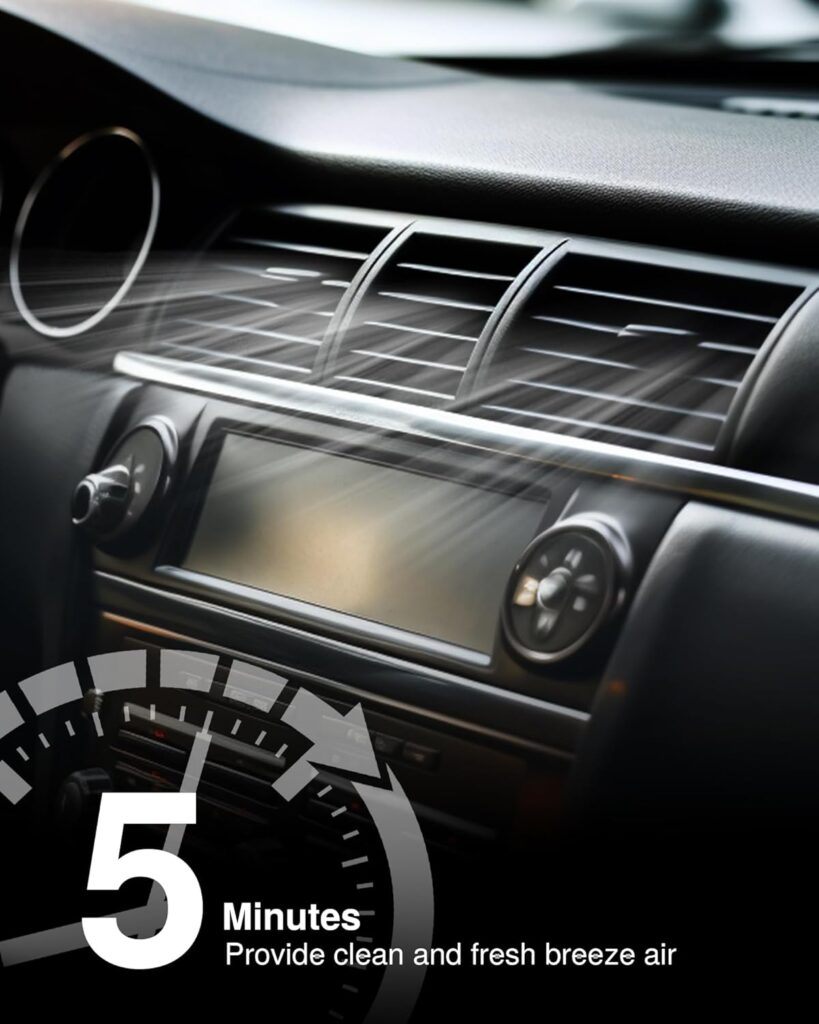
Because the filter claims a high flow capacity, you should experience minimal restriction compared with a clogged or absent filter. That helps your cabin reach temperature settings faster and reduces strain on the blower motor, which can extend HVAC component life.
Effect on defrosting and climate control
You should see more consistent blow rates for defrost and AC functions after replacing an old, clogged filter with a functioning one. Cleaner intake air helps the system perform as designed, especially during heavy AC use or when you need brisk defogging on cold mornings.
Noise, odor, and comfort changes
You’ll notice small comfort-related improvements beyond just cleaner air. Performance factors such as blower noise and cabin odor are meaningful in day-to-day driving.
Changes to cabin odors
The activated carbon layer is specifically meant to reduce odors, and you’ll typically notice less exhaust, food, and mildew scent after installing this filter. Odor relief is one of the most immediately apparent benefits for many drivers.
Blower noise and sound profile
If your HVAC system was straining to pull air through a clogged filter, installation of a new, lower-resistance filter can reduce blower effort and often slightly lower noise. You shouldn’t expect dramatic sound changes, but overall operation can feel smoother.
Durability and long-term value
You’ll weigh initial cost against longevity and performance. The Puroma filter is positioned as a cost-effective option, but longevity depends on your driving environment.
Expected lifespan under various conditions
Under normal urban driving conditions, expect to follow the 12,000-mile / 1-year guideline. In dusty or high-pollen conditions, plan for the more conservative 5,000-mile interval to keep the filter doing its job well.
What affects durability most
Factors such as road dust, pollen load, exposure to cigarette smoke, and proximity to industrial environments will determine how quickly the filter clogs. You should factor these environmental conditions into your maintenance schedule.
Pros and cons
You’ll want a concise list of strengths and weaknesses to decide if this filter is right for you. Below are the main positives and trade-offs based on the product features and typical user experiences.
Pros
- Activated carbon helps reduce odors, improving in-cabin comfort.
- Close-meshed non-woven layer captures dust and pollen efficiently.
- Simple installation and direct-fit claims for many Honda and Acura models.
- Affordable single-piece replacement that’s quick to swap.
- Helps maintain HVAC performance and airflow compared to a clogged filter.
Cons
- Aftermarket quality can vary slightly from OEM; fit and finishing may not be identical to dealer parts.
- Not a substitute for medical-grade HEPA if you require the highest level of particulate removal for severe allergy or respiratory conditions.
- Lifespan is heavily dependent on your driving environment; heavy pollution or dusty roads require more frequent replacement.
Comparison to OEM and other aftermarket options
You’ll want to know how this Puroma filter stacks up to OEM parts and other aftermarket brands when considering performance and price. Direct comparisons help you decide whether to buy generic or factory replacements.
OEM vs. Puroma
OEM cabin filters typically match the original factory specifications and may offer slightly better fit precision and documentation. However, you’ll usually pay a premium for OEM. Puroma aims to match the functionality (particle filtration, odor control) at a lower cost, making it a cost-effective alternative if fit and finish are acceptable for you.
How it compares with premium aftermarket filters
Premium aftermarket filters sometimes advertise higher MERV ratings or HEPA layers for finer particulate capture. If you require very high filtration efficiency for allergens or smoke, some premium filters may outperform Puroma. For general odor control and everyday particle filtration, Puroma provides good value.
Value for money
You’ll want to evaluate whether the performance justifies the price compared to alternatives. For many drivers, the Puroma filter balances cost and functionality.
Cost-effectiveness assessment
If your priority is odor removal plus standard particle filtration and you change the filter regularly, this product offers strong value versus pricier OEM or premium filters. The minimal installation time and compatibility with many models add to its practical value.
Return on investment
You’ll likely recoup benefits through improved cabin comfort, potentially fewer HVAC issues, and better airflow—especially if you replace severely degraded filters that were straining the HVAC system. The low price point makes regular replacement affordable.
Real-world user feedback and common experiences
You’ll find user reviews often focus on fit, immediate odor improvement, and ease of installation. Here’s a summary of common sentiments from owners who’ve used similar aftermarket filters.
Typical positive feedback
Users commonly report a noticeable reduction in odors and easier breathing inside the cabin after replacement. Many appreciate the easy install and the fact that airflow seems improved compared to an old, clogged filter.
Typical negative feedback
Some users occasionally report fit issues or slightly uneven sealing around the edges, requiring minor adjustments. A few note that the filter doesn’t reach the filtration level of high-end aftermarket HEPA-style filters, which is expected given the price and design.
Buying tips and checklist
Before you order, use this checklist to reduce mistakes and ensure you get the right product for your vehicle and needs. Preparation helps avoid returns and improves satisfaction.
Pre-purchase checklist
- Confirm the part number and compatibility against your vehicle year/model.
- Inspect existing filter dimensions and orientation before removal so you can compare.
- Read recent user reviews for the exact seller or listing to check current fitment experiences.
- Decide how often you’ll replace the filter given your typical driving conditions.
- Keep a backup filter if you frequently drive in dusty areas so you can swap sooner.
Installation-day tips
- Have a soft cloth, gloves, and a small vacuum or brush to clean the housing before insertion.
- Note the airflow arrow on the filter and match it to your vehicle’s airflow direction.
- Check the filter seating for gaps or misalignment after installation to prevent bypass.
Environmental and health considerations
You’ll care about the environmental and respiratory impact of the filter. While activated carbon improves air quality, the filter isn’t designed to be reusable or washable like some specialty options.
Disposal and recyclability
When replacing, you should dispose of the used filter according to local waste regulations. The materials are not typically recyclable through curbside programs, so they’ll most often go into general waste. Consider replacing at recommended intervals to minimize waste associated with premature changes.
Health benefits for drivers and passengers
A properly functioning cabin filter reduces exposure to dust, pollen, and common odors, which can ease allergy symptoms and reduce respiratory irritation for many passengers. While not a medical device, it contributes to a healthier cabin environment compared with no filter or a heavily clogged one.
Final verdict
You’ll find the Puroma Cabin Air Filter with Activated Carbon is a sensible, cost-effective choice for many Honda and Acura owners who want improved cabin air quality and odor reduction without paying OEM premiums. It offers straightforward installation, a balance of particle filtration and activated carbon odor control, and a fitment range that covers many common models. If you drive in normal urban conditions or want a simple, effective upgrade for cabin comfort, this filter is worth considering. If you need hospital-grade filtration or the absolute tightest OEM fit, you may want to compare premium options or factory parts.
Frequently asked questions (FAQ)
You’ll probably have specific questions before buying or installing the filter, so here are concise answers to common queries.
Will this filter fit my specific model year?
You should check the compatibility note on the product listing and confirm the part number against your vehicle’s manual. If you’re uncertain, compare the old filter’s part number or measurements to ensure a match.
How often should I change the Puroma cabin filter?
Replace it every year or every 12,000 miles under normal conditions, and every 5,000 miles if you frequently drive in dusty or heavily polluted areas. Inspect more often if you notice odors or reduced airflow.
Can I wash and reuse the filter?
No, you should not wash and reuse this type of filter. It’s designed to be replaced because washing damages the media and reduces filtration and odor absorption capacity.
Does this filter remove pollen and allergens?
Yes, the close-meshed non-woven layer captures common particles like pollen and dust, which should reduce allergen levels inside your cabin. For severe allergies, consider a HEPA-grade filter if your vehicle supports it.
Is the activated carbon layer effective against smoke and VOCs?
Activated carbon is effective at adsorbing many VOCs and common odors, so you should notice an improvement if smoke or traffic smells are a concern. It won’t remove all gaseous contaminants like a specialist gas-phase purifier, but it helps significantly for everyday odors.
What tools do I need to install it?
Most installations require minimal tools—often none beyond your hands; you may need a screwdriver or to lower the glove box depending on your vehicle. The manufacturer states installation should take about 10 minutes.
Does this filter affect HVAC blower noise?
Replacing an old or clogged filter with this one generally reduces blower strain and can slightly reduce noise by allowing better airflow. You shouldn’t expect dramatic sound changes, but operation is typically smoother.
Can I use this as a substitute for OEM?
Yes, it’s intended as a replacement option. It’s an aftermarket choice that balances price and performance. If you require exact OEM tolerances, you might prefer buying factory parts.
If you want, you can tell me your exact vehicle year and model and I’ll help confirm compatibility for the Puroma Cabin Air Filter with Activated Carbon, Replacement for CP134, CF10134, Honda & Acura, Civic, CR-V, Odyssey, CSX, ILX, MDX, RDX, AT134 (1 pc) and walk you through the installation steps specific to your car.
Disclosure: As an Amazon Associate, I earn from qualifying purchases.