

?Are you looking for a cabin air filter that gives you near-medical-grade filtration for your vehicle?

Product Overview
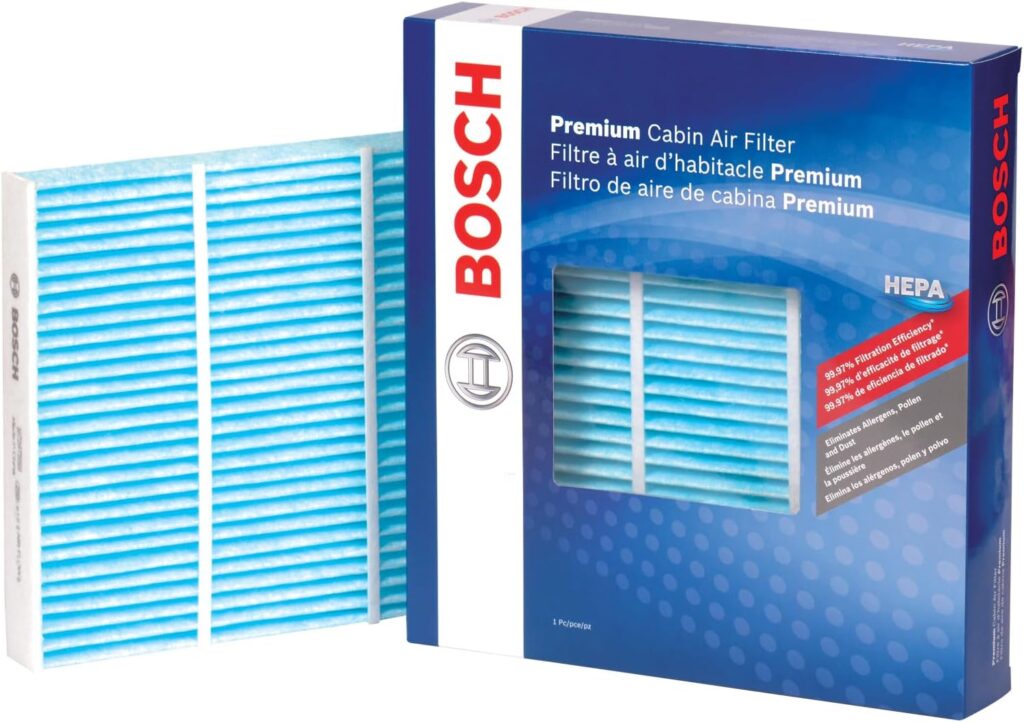
You’re looking at the BOSCH 6091C HEPA Cabin Air Filter – Compatible with Select Buick Enclave, Encore GX; Cadillac XT4, XT5; Chevrolet Camaro, Cruze, Impala, Malibu, Silverado, Traverse; GMC Sierra, Terrain, Yukon + More, a cabin filter engineered to meet stringent HEPA standards. You’ll find that Bosch designed this filter to trap extremely small particles and to maintain structural integrity over time so your vehicle’s HVAC system continues to perform efficiently.
What this filter aims to solve
You want cleaner air inside your cabin—free of dust, pollen, smoke particles, and many other airborne contaminants. This Bosch HEPA cabin air filter targets particles down to 0.3 microns with very high efficiency, which is especially important if you or passengers have allergies, asthma, or heightened sensitivity to airborne contaminants.

BOSCH 6091C HEPA Cabin Air Filter - Compatible with Select Buick Enclave, Encore GX; Cadillac XT4, XT5; Chevrolet Camaro, Cruze, Impala, Malibu, Silverado, Traverse; GMC Sierra, Terrain, Yukon + More
$6.49 In Stock
Key Specifications
You should know the most important technical specs before making a decision. Below is a compact breakdown of the features that matter most for daily driving and long-term maintenance.
| Specification | Details |
|---|---|
| Product Name | BOSCH 6091C HEPA Cabin Air Filter – Compatible with Select Buick Enclave, Encore GX; Cadillac XT4, XT5; Chevrolet Camaro, Cruze, Impala, Malibu, Silverado, Traverse; GMC Sierra, Terrain, Yukon + More |
| Filtration Standard | HEPA based on ISO 29463-3:2011 |
| Efficiency | 99.97% at 0.3 microns |
| Media Composition | Melt-blown electrostatic layer + dense media + additional static cotton layer |
| Structure | Structural ribs for stability |
| Odor Neutralizer | None included (no added chemical odor neutralizer) |
| Replacement Interval | At least once every 12 months or every 12,000 miles |
| Compatibility | Wide compatibility across select Buick, Cadillac, Chevrolet, GMC models (verify fitment) |


Filtration Performance
You care about what actually gets filtered out of the air you breathe inside the vehicle, and this is where the Bosch HEPA filter shines. It’s tested to HEPA standards per ISO 29463-3:2011, giving you confidence that particles as small as 0.3 microns are captured with 99.97% efficiency.
What 99.97% at 0.3 microns means for you
You’ll be protected from many common irritants like pollen, fine dust, some smoke particles, and vehicle exhaust particulates. While no filter can remove gaseous pollutants (unless it includes activated carbon), the Bosch HEPA media is exceptional for solid particulate removal.
Health implications
If you or your family members suffer from allergies, rhinitis, or asthma, the high efficiency at 0.3 microns provides a meaningful reduction in airborne triggers inside the cabin. You’ll likely notice less dust buildup on vents and a cleaner-feeling cabin after installation.
Construction and Materials
Understanding how the filter is built helps you know why it performs well and how it stands up to real-world use.
Multi-layer media
The BOSCH 6091C uses a melt-blown electrostatic layer combined with dense media and an added static cotton layer. You’ll appreciate that the electrostatic charge helps attract and trap smaller particles that might otherwise pass through mechanical filtration alone.
Structural design
Bosch added structural ribs to ensure the filter keeps its shape under airflow and varying temperatures. You won’t see the collapse or sagging that can reduce efficiency over time in lesser-quality filters.
No chemical odor neutralizers
There’s no chemical odor neutralizer in this filter, which is a plus if you’re sensitive to added fragrances or chemical agents. If you want odor removal, you should consider a filter with activated carbon in addition to HEPA media.

Fitment and Compatibility
You’ll need to confirm fitment before buying, as vehicle trim and production years can affect compatibility. Bosch provides a long list of compatible models, but it’s best practice to verify fitment with a fit checker or by checking your vehicle’s owner manual.
Compatible vehicles (summary)
This filter covers a broad range of GM vehicles including many Buicks, Cadillacs, Chevrolets, and GMC models spanning model years roughly from the early 2010s to the mid-2020s. You should verify exact fitment for your specific year and trim.
Compatibility notes you should consider
Trim level can change the filter housing or dimensions, so double-checking fitment is essential. If your vehicle has an uncommon aftermarket HVAC modification, consult your mechanic or Bosch’s fitment resources before purchasing.
Installation & Replacement
You want something that’s not overly complicated to install, and Bosch designed this filter to be a direct replacement in compatible vehicles.
Typical installation steps
You’ll generally open the glove box or cabin filter access door, remove the old filter, note its orientation, and insert the Bosch 6091C with the airflow arrow pointing the correct direction. You should then secure the access panel and test the HVAC system to verify airflow.
How often to replace
Bosch recommends replacing the cabin air filter at least once every 12 months or every 12,000 miles. You should replace it more frequently if you frequently drive in heavy traffic, dusty conditions, or areas with high pollen counts.

Comparison: BOSCH 6091C vs. OEM & Other Aftermarket Filters
You’re likely wondering how this Bosch HEPA option compares to OEM filters and other aftermarket choices. The following table gives you a clear side-by-side for the most relevant criteria.
| Feature | BOSCH 6091C HEPA | Typical OEM Cabin Filter | Standard Aftermarket Filter |
|---|---|---|---|
| Filtration Efficiency | 99.97% at 0.3 microns (HEPA) | Varies; often lower than HEPA | Usually lower; not HEPA |
| Media Type | Melt-blown electrostatic + dense media + static cotton | Varies; may include basic pleated media | Commonly pleated paper or synthetic |
| Structural Integrity | Ribs for stability | Varies; usually adequate | Varies widely |
| Odor Neutralizer | No | Sometimes yes or no | Sometimes included (carbon) |
| Cost | Higher than basic filters | Manufacturer-price variance | Usually lower cost |
| Replacement Interval | 12 months / 12k miles | OEM typically 12 months | Varies, often same recommendation |
What you get with Bosch that OEM might not include
You’ll notice Bosch emphasizes HEPA-level performance and media engineering (electrostatic and cotton layers) beyond what many OEM or budget aftermarket filters advertise. That can translate to better capture of smaller particles and more consistent performance.
When OEM might make sense for you
If your vehicle’s manufacturer recommends a specific OEM filter due to unique fit or integrated features (like a specific seal design), OEM can be a reliable choice. Always weigh OE fit assurance versus Bosch’s HEPA-level filtration advantage.
Performance in Real-World Conditions
You’ll want to know whether this HEPA performance holds up outside lab conditions. While ISO HEPA testing gives a high standard, real-world performance also depends on installation, vehicle leaks, and maintenance habits.
In urban environments
If you drive in cities with high traffic emissions, the filter will capture many particulate pollutants, reducing what enters your cabin. You should still be aware that gases (NOx, CO, VOCs) are not captured by standard HEPA media unless carbon is present.
In rural or dusty environments
You’ll appreciate the Bosch HEPA’s capacity and electrostatic properties that help trap dust and pollen. Changing the filter more frequently in dusty conditions will prolong airflow and prevent HVAC strain.
Longevity & Durability
You’ll want a filter that maintains performance through its recommended life. Bosch’s structural enhancements work to keep the media stable and effective until replacement.
Airflow and clogging
Electrostatic media helps capture small particles without immediately choking airflow, but any filter will increase resistance as it fills. Monitoring cabin airflow and changing the filter when you notice reduced performance will keep your HVAC system running well.
Durability under temperature changes
The structural ribs and robust media compositions are designed to withstand the wide temperature ranges typical in automotive use. You shouldn’t expect premature warping or breakdown under normal conditions.
Installation Tips and Best Practices
You want installation to be smooth and effective, and a few simple tips will make sure the Bosch filter performs optimally.
Pre-install checklist
- Verify fitment for your specific vehicle year and trim.
- Inspect the filter housing for debris or moisture.
- Note the orientation of the old filter (airflow arrow) before removing it.
Proper seating and sealing
Make sure the filter sits flat with no gaps around the edges so all cabin air is forced through the media. Confirm any rubber gaskets or seals are present and properly seated.
Post-installation check
Run the HVAC on high for a few minutes after installation to verify airflow and to help settle the filter. If you smell dust the first time you use it, that’s normal for new filter media; it should dissipate.
Pros and Cons
You want a balanced view before deciding. Below are clear reasons you might choose this filter and considerations that might push you toward alternatives.
Pros
- You get HEPA-level filtration (99.97% at 0.3 microns), which is excellent for particle removal.
- Multi-layer media (electrostatic + cotton) improves capture efficiency for small particles.
- Structural ribs add longevity and prevent deformation.
- No added chemical odor neutralizers, which is preferable if you’re sensitive to scents.
- Broad vehicle compatibility across many GM models.
Cons
- Does not include activated carbon, so it won’t neutralize odors or gaseous pollutants.
- Typically costlier than standard cabin filters.
- Fitment must be confirmed—trim levels or special packages might require a different part number.
Who Should Choose the BOSCH 6091C HEPA Cabin Air Filter
You’ll benefit most from this filter if you prioritize particle filtration and respiratory health. It’s a strong pick for:
- People with allergies or respiratory sensitivities.
- Families with children who spend time in the vehicle.
- Drivers frequently commuting through heavy traffic, wildfire smoke zones, or high-pollen environments.
- Those who want an aftermarket option that approaches HEPA-level performance.
When you might choose something else
If odor removal (smoke or unpleasant external smells) is a top priority, consider a filter with activated carbon. If budget is your primary concern and you don’t need ultra-fine filtration, a standard pleated filter may suffice.
Real User Considerations and Reviews
You’ll find user experiences focus on improved air quality and reduced particulate inside the cabin. Common points you’ll likely read in reviews include noticeable reductions in dust and pollen buildup and a clean, scent-free filter option.
What people often report after installation
Users often report the air feels cleaner and that HVAC vents collect less visible dust over the weeks following installation. Some note an initial faint new-media smell that fades quickly.
Common complaints you might encounter
The most common complaint is the price relative to standard filters and the lack of odor control. Also, incorrect fitment purchases are a common user error—so verifying fitment before buying is a recurring tip.
Frequently Asked Questions
You’ll likely have some common questions before purchasing. Below are concise answers to help.
Is this filter a true HEPA filter?
Yes. The BOSCH 6091C HEPA Cabin Air Filter is designed and tested to meet HEPA standards based on ISO 29463-3:2011 and offers 99.97% efficiency at 0.3 microns.
Will this filter remove odors?
No. This filter doesn’t include activated carbon or chemical odor neutralizers. It excels at particulate capture but not gas or odor removal.
How often should you replace it?
Bosch recommends replacing the filter at least once every 12 months or every 12,000 miles. Increase replacement frequency if you often drive in dusty or high pollution areas.
Can you install it yourself?
Yes. Installation is typically straightforward and similar to other cabin filters—access the filter housing (often behind the glove box), remove the old filter, and insert the Bosch filter with correct orientation arrows.
How do you verify fitment?
Use the vehicle fit checker provided by the seller or cross-reference Bosch part numbers with your vehicle’s make, model, and year. If unsure, consult a mechanic or dealership.
Environmental and Safety Notes
You’ll want to handle used filters responsibly. Replace and dispose of spent filters according to local waste regulations; many are considered regular household waste but check local rules especially for heavily contaminated filters.
Avoid breathing dust from used filters
When removing a heavily soiled filter, hold it gently and consider wearing a disposable glove and mask if you have sensitive airways. Bag the used filter immediately before disposal.
Cost-Benefit Analysis
You want to know whether the extra cost is worth it. When you consider health benefits, reduced dust accumulation, and potential long-term HVAC system protection, the Bosch HEPA cabin filter often represents good value for those who prioritize air quality.
Long-term savings you might see
You may see cleaner HVAC components and fewer service visits related to particulate buildup, and for allergy sufferers, improved personal health and fewer medication triggers can translate into indirect savings and comfort.
Final Verdict
You need clean cabin air and reliable filtration performance, and the BOSCH 6091C HEPA Cabin Air Filter – Compatible with Select Buick Enclave, Encore GX; Cadillac XT4, XT5; Chevrolet Camaro, Cruze, Impala, Malibu, Silverado, Traverse; GMC Sierra, Terrain, Yukon + More delivers on HEPA-level particulate capture. You’ll benefit from the electrostatic and static cotton layers, structural rigidity, and an industry-standard HEPA testing basis that all contribute to a high-performing cabin filter.
If your priority is removing fine particulate matter and you’re not relying on a filter for odor or gas removal, this Bosch HEPA option is a strong choice. Remember to verify fitment for your exact year and trim, install it correctly, and replace it at least annually or every 12k miles for best results.
Disclosure: As an Amazon Associate, I earn from qualifying purchases.