

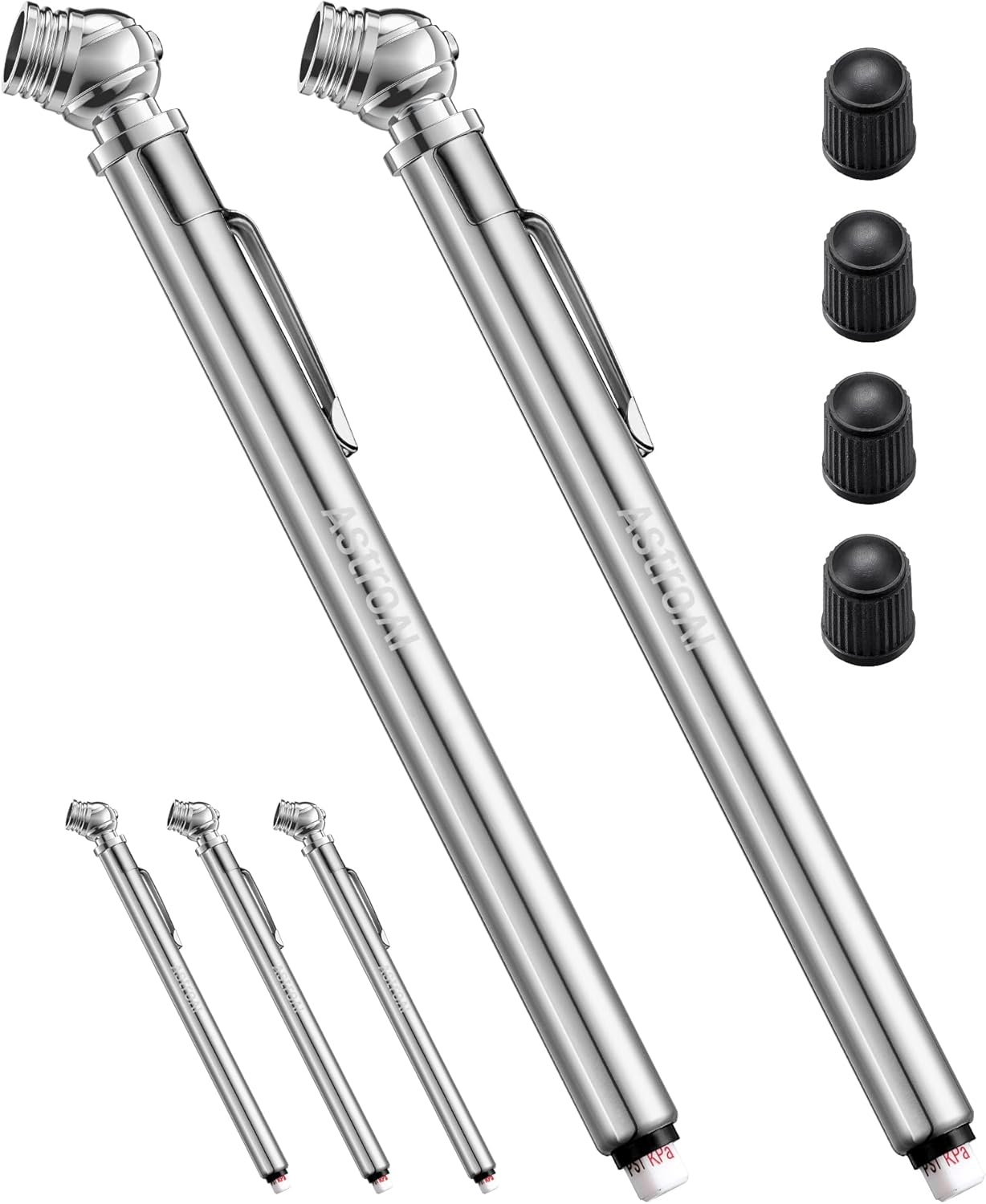
?Want a reliable, pocket-friendly tire pressure gauge that keeps your tires at the right pressure without fuss?

Product overview
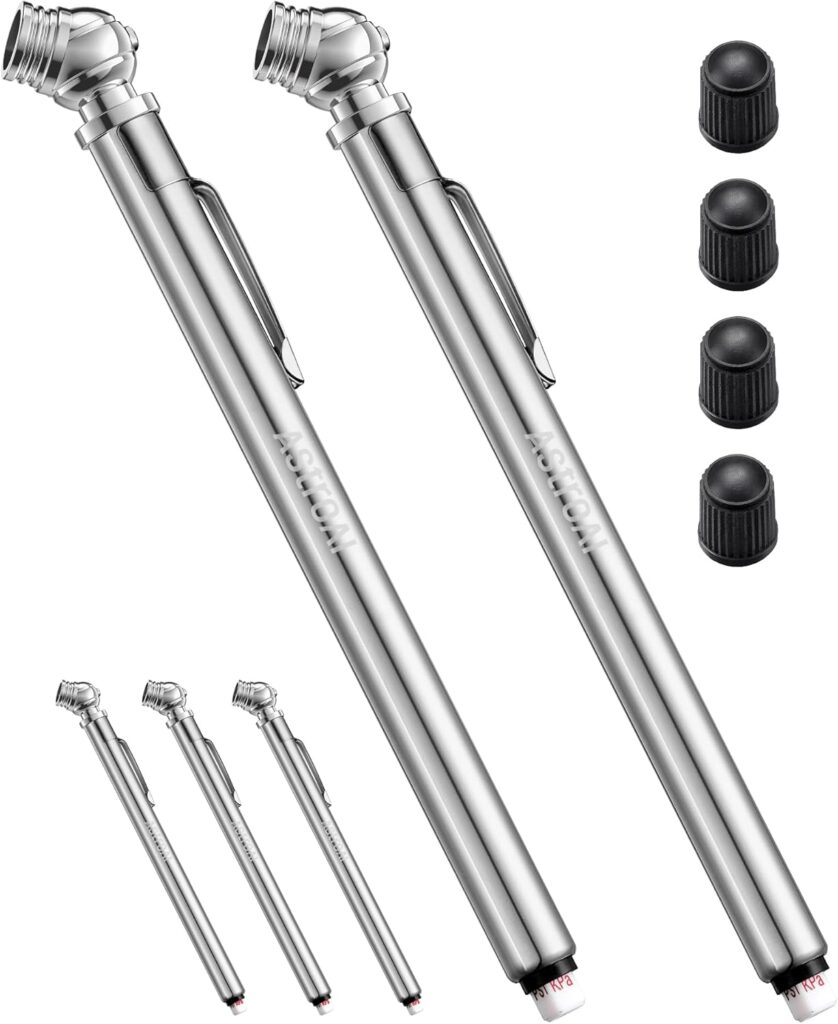
You’re looking at the AstroAI Pencil Tire Pressure Gauge 2 Pack 10-75PSI, Calibrated to ANSI B40.1 Grade B (2%), Stainless Steel Body, Metal Made Nozzle 3 Measurements for Cars, Bikes, Vehicles. This compact, mechanical pencil-style gauge aims to give you quick readings in PSI, kPa, or BAR with a sturdy stainless steel build and a metal nozzle that seals well on valve stems.

AstroAI Pencil Tire Pressure Gauge 2 Pack 10-75PSI, Calibrated to ANSI B40.1 Grade B (2%), Stainless Steel Body, Metal Made Nozzle 3 Measurements for Cars, Bikes, Vehicles
$5.39 In Stock
Quick specs at a glance
You’ll appreciate having a compact summary to skim before deciding. Below is a table that breaks down the main specs so you can quickly compare features and limits.
| Feature | Details |
|---|---|
| Product | AstroAI Pencil Tire Pressure Gauge 2 Pack |
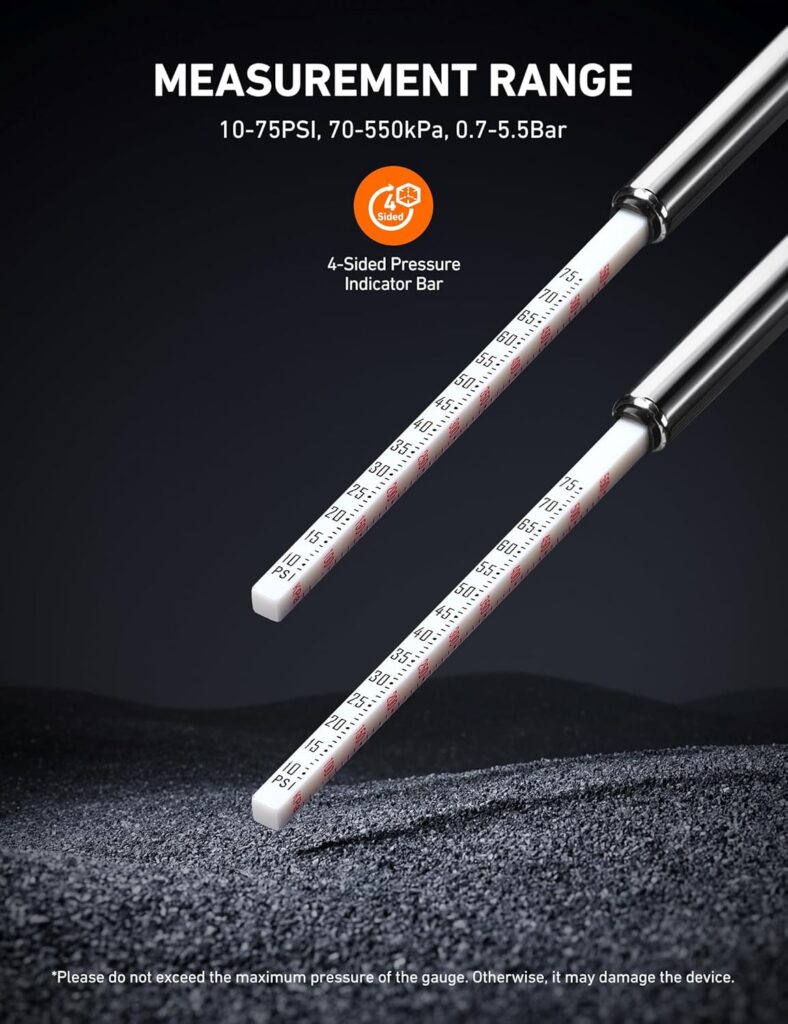
| Measurement Range | 10–75 PSI (70–550 kPa, 0.7–5.5 BAR) |
| Accuracy | Calibrated to ANSI B40.1 Grade B (±2% span) |
| Materials | Stainless steel body, metal nozzle |
| Number of Gauges | 2-pack |
| Additional Parts | 4 valve stem caps |
| Special Features | Integrated deflator valve, chuck, ABS indicator bar, pocket clip |
| Power | Mechanical (battery free) |
| Portability | Pocket clip; stows in glove box, tool belt, pocket |
| Warning | Do not exceed maximum pressure of the gauge |
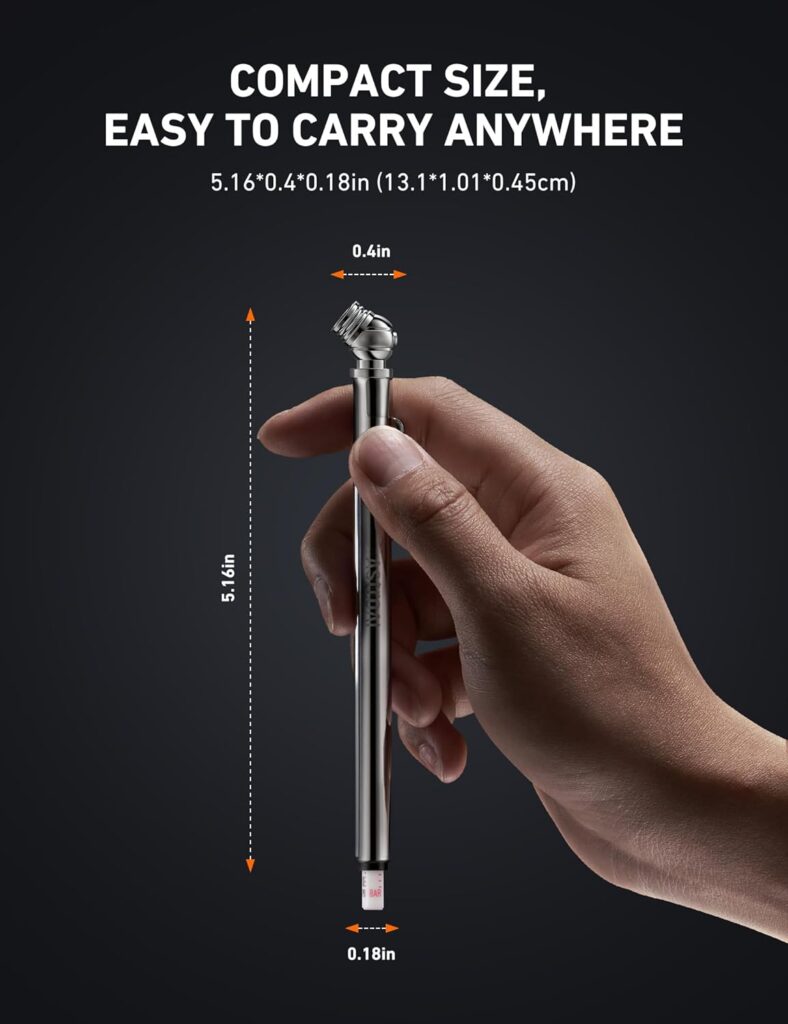

What’s included and first impressions
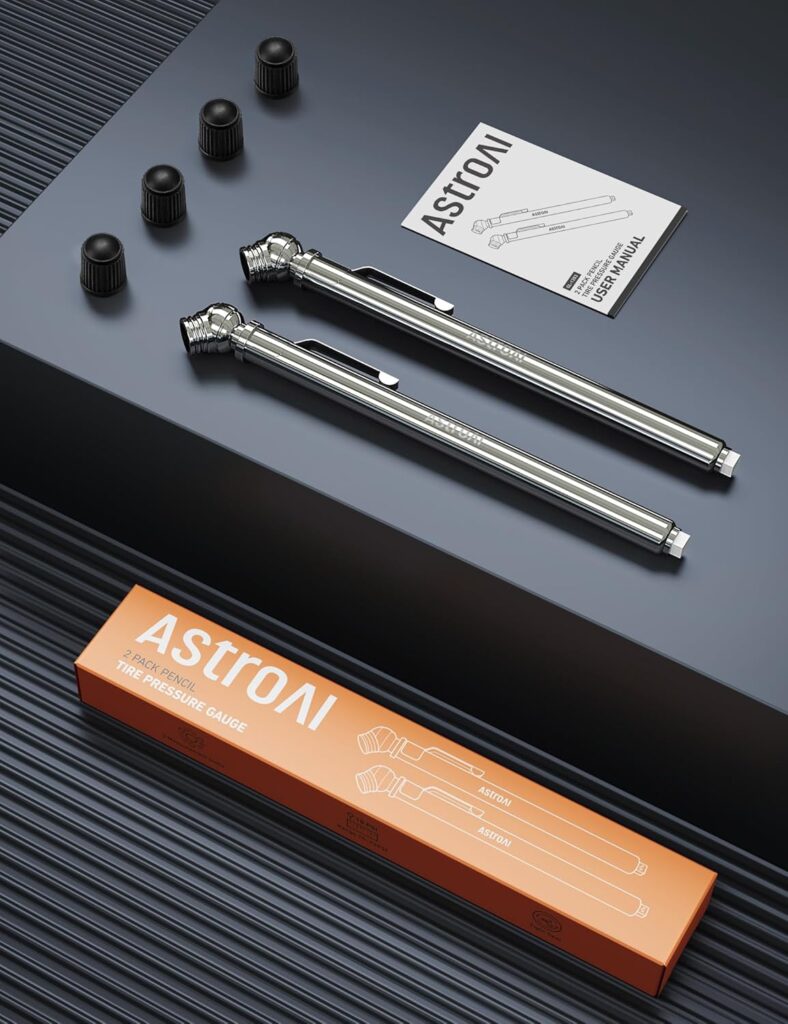
You’ll get two pencil-style gauges, four valve stem caps, and basic packaging. Right out of the box the metal feel and clean machining will make your first impression that this is built to last and to resist corrosion.
Build quality and design
You’ll notice the stainless steel construction immediately, which resists rust and gives the gauge a professional feel. The metal nozzle and precision-machined chuck help the gauge seal properly on valve stems so you’re less likely to get leaking or false low readings.
Portability and everyday carry
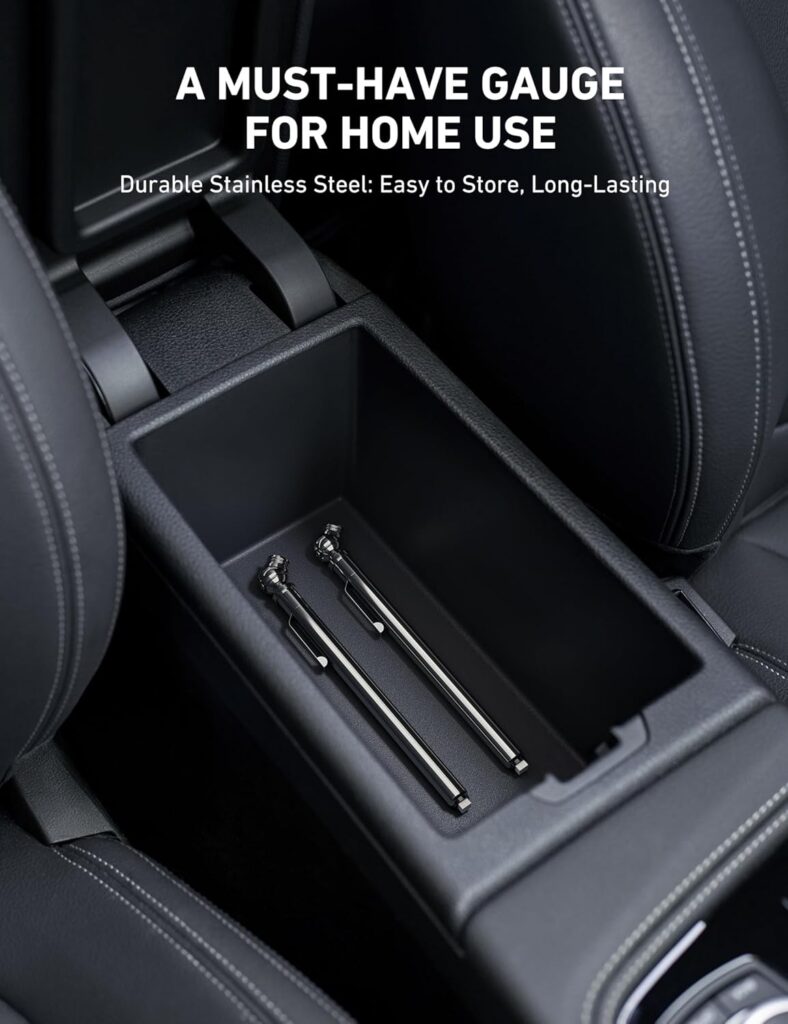
You can clip one into your pocket or tuck it in the glove box easily thanks to the slim profile and pocket clip. The size and clip make it convenient enough to carry on road trips, commutes, or when you’re doing quick bicycle checks.
Ergonomics and handling
You’ll find the pencil shape comfortable to grip while you press the nozzle onto the valve stem, and the ABS indicator bar is readable without awkward twisting. The mechanical action is intuitive: press, read, and release — no buttons or screens to fuss with.
Accuracy and calibration
Accuracy matters because even small pressure differences change fuel economy, tire wear, and handling. The gauge is calibrated to ANSI B40.1 Grade B (±2% span), which is a solid standard for mechanical gauges in this price and form factor.
How accurate is ±2% in practice?
You’ll typically see very close agreement with a trusted shop gauge within that tolerance, especially in the mid-range of the scale. Very low or very high readings may show a bit more variance, so use a calibrated reference if you need laboratory-level precision.
Calibration longevity and reliability
Because this gauge is mechanical and stainless steel, you won’t worry about batteries dying or electronics drifting. You’ll still want to check it against a known accurate gauge periodically, but the mechanical design tends to hold calibration well under normal use.
Measurement units and range
You can read PSI, kPa, or BAR on the same device, which is handy when you’re dealing with international recommendations or different vehicle specifications. The measurement range of 10–75 PSI covers most passenger cars, light trucks, motorcycles, and bicycles that require relatively higher pressures.
When the range matters
You’ll want to be mindful if you work with very low-pressure applications (e.g., some fat-tire bikes or certain off-road setups below 10 PSI) or very high-pressure performance tires that exceed 75 PSI. Exceeding the gauge’s maximum will permanently damage it, so avoid using it outside its specified range.
Using the gauge — step-by-step
You’ll get reliable readings if you follow a simple routine every time you check pressure. Clean the valve stem, press the nozzle straight onto the valve until you feel a firm seal, watch the ABS indicator or scale, then remove and replace the valve cap.
Using the integrated deflator and chuck
If you need to bleed a little air, you’ll appreciate the integrated deflator valve built into the device. The chuck provides a secure connection and reduces hissing, so you get an accurate reading without wrestling to hold the gauge in place.
Tips for consistent readings
You’ll get the best results when you check pressures cold (before driving or after a vehicle has been parked for an hour). Press evenly and hold steady for a second while the indicator settles to get a consistent number.
Field testing and real-world performance
You’ll want to know how this behaves outside a controlled environment. In typical home and roadside checks, the gauge reads consistently and quickly, giving you confidence for routine maintenance and emergency adjustments.
Performance in different weather
Because it’s mechanical and battery-free, the gauge operates reliably across temperature extremes; the stainless steel body resists condensation and rust. You’ll still need to be careful in very cold weather where valve stems can become rigid or brittle.
Durability after repeated use
You’ll find the gauge holds up well to repeated pocketing, drops, and everyday knocks thanks to its metal construction. The only common weak points on similar pencil gauges are the internal spring and indicator — both of which in this model appear robust for normal use.
Pros and cons
You’ll want a concise list to weigh the decision. Here’s a friendly rundown of the strong points and the few limitations to be aware of.
Pros
- You’ll get ANSI B40.1 Grade B calibration (±2%) for trustworthy readings.
- The stainless steel body resists corrosion and feels durable.
- Metal nozzle and chuck give a good seal on valve stems, reducing leaks during measurement.
- Battery-free operation means no maintenance or unexpected failures.
- Pocket clip and slim design make it easy to carry on the go.
- Integrated deflator valve helps you fine-tune pressure quickly.
- Two gauges and spare valve stem caps add convenience and value.
Cons
- You’ll need to avoid pressures below 10 PSI and above 75 PSI since the gauge won’t measure outside that range and can be damaged.
- Mechanical gauges can be a bit slower to read than digital options in low-light conditions since there’s no backlight.
- If you need lab-grade precision below ±2%, you’ll need a higher-end instrument or professional calibration.
Comparison with digital tire gauges
You’ll see both mechanical and digital gauges on the market; each has strengths. Mechanical pencil gauges like this one are rugged, simple, and battery-free, while digital gauges often offer finer resolution, backlit displays, and sometimes memory or preset features.
Why choose this mechanical AstroAI gauge
You’ll choose this gauge if you want a no-fuss, reliable tool that doesn’t rely on batteries and offers ANSI-approved accuracy. It’s great for routine maintenance where ruggedness and simplicity are priorities.
When a digital gauge might be better
You’ll prefer a digital gauge if you need very precise decimal readings, are working in the dark frequently, or value readouts in different units displayed electronically. However, digital units require batteries and can be less tolerant of water and drops.
Who should buy this
You’ll benefit from this gauge if you own a car, motorcycle, or bicycle and want a dependable tool for regular pressure checks. It’s especially useful if you travel often, carry a toolkit, or need a compact gauge that you can stash in a glove box or pocket.
Ideal use cases
You’ll find it perfect for weekend road trips, pre-ride bike checks, and routine vehicle maintenance. If you’re a commuter, the pocket clip and quick readings make it a low-effort addition to your gear.
Value and packaging
You’ll usually get two gauges for the price of one, plus four valve stem caps, which makes the value proposition strong. Having a spare permanently stored in another vehicle or the garage is practical and economical.
Replacement and spare parts
If you lose a valve stem cap or want to replace a worn gauge, the wide availability of pencil-style mechanical gauges means you’ll have options. AstroAI’s additional customer service can also help with warranty or support questions if something goes wrong.
Maintenance and storage
You’ll find this gauge nearly maintenance-free, but a little care extends its life. Wipe dirt from the nozzle and keep the valve stem cap in place when not in use to avoid debris entering the gauge opening.
Storage tips
You’ll want to keep it in a dry place and avoid extreme, prolonged exposure to moisture — stainless steel resists corrosion, but seals and internal springs can still suffer if left wet. Storing it in a glove box, toolbox, or pocket holder keeps it handy for immediate use.
Troubleshooting common issues
You’ll rarely see problems, but a few minor issues can be fixed quickly. If you get inconsistent readings, ensure the nozzle is seating properly and the valve stem isn’t leaking; a simple reseat or cleaning usually clears the issue.
If the gauge seems stuck or slow
You’ll sometimes notice the indicator not sliding smoothly if dirt or grit is in the nozzle. Clean the nozzle and valve stem, and try again. If it still sticks, compare with a known reference gauge — if it’s out of tolerance, consider servicing or replacement.
Safety reminders
You’ll want to avoid over-inflating tires to prevent damage to the gauge and to keep yourself safe. The gauge’s top limit is 75 PSI; exceeding this can permanently damage the device and could produce false or unsafe measurements.
Safe usage habits
You’ll always check tire pressures when tires are cold for the most accurate reading, and you’ll avoid quick bursts of added air followed by immediate measurement — allow a moment for pressure to stabilize whenever you inflate.
Frequently asked questions (FAQs)
You’ll likely have a few specific questions before buying. Here are answers to common ones to help you decide.
Is this gauge accurate enough for everyday car maintenance?
Yes, you’ll find the ANSI B40.1 Grade B calibration (±2%) perfectly adequate for keeping your tires at recommended pressures for daily driving and safety.
Can this gauge handle motorcycle and bike tires?
Yes, you’ll be able to check motorcycle and many bike pressures within the 10–75 PSI range, but if your bike uses very low-pressure fat tires below 10 PSI you’ll need a different gauge.
Do I need to calibrate it regularly?
You’ll likely not need frequent recalibration for casual use. Checking it against a trusted shop gauge periodically is a good idea if you rely on precise readings.
What happens if I exceed 75 PSI?
You’ll permanently damage the gauge if you exceed its maximum rating. Always stay within the 10–75 PSI range to preserve accuracy and avoid failure.
Alternatives to consider
You’ll find many options in the market, from digital pocket gauges to larger dial-type mechanical gauges. If you prefer digits and backlight, consider a reliable digital model; if you prefer rugged and no-battery simplicity, this AstroAI mechanical gauge is a strong choice.
Comparable mechanical models
You’ll find similar pencil gauges from other manufacturers that offer similar ranges and accuracy; compare build materials and calibration claims to pick the best fit for your budget and needs.
When to pick a shop-grade instrument
You’ll choose a higher-grade or shop instrument if you regularly service vehicles professionally and need tighter tolerances or certification documentation.
Final verdict
You’ll likely be satisfied with the AstroAI Pencil Tire Pressure Gauge 2 Pack if you want a reliable, portable, and low-maintenance tool for routine tire care. Its stainless steel construction, ANSI-grade calibration, and integrated features like the deflator valve and pocket clip make it a practical choice for motorists, cyclists, and anyone who wants to keep tires at the correct pressure.
Bottom-line recommendation
You’ll get good value and dependable performance out of this two-pack. Keep one in your glove box and another in your toolkit or bike bag, and you’ll have a simple, trustworthy way to maintain tire pressure without dealing with batteries or fragile electronics.
Disclosure: As an Amazon Associate, I earn from qualifying purchases.