

Looking for a fast, no-fuss way to transfer gasoline, diesel, or water without spending on an electric pump?

Quick Overview of the Gasoline Siphon Hose Pump, Hand Fuel Transfer Pump, High Flow Gas Siphon Pump for water Gasoline Oil Petrol Diesel, Manual Fuel Pump with 2 Premium PVC Hoses
This compact manual pump is designed to help you move fuel and other common liquids quickly and safely without needing power. You’ll get a lightweight, hand-operated siphon system that includes two premium PVC hoses and a one-way valve built into the bulb to prevent backflow.

Gasoline Siphon Hose Pump, Hand Fuel Transfer Pump, High Flow Gas Siphon Pump for water Gasoline Oil Petrol Diesel, Manual Fuel Pump with 2 Premium PVC Hoses
What’s Included and Basic Specs
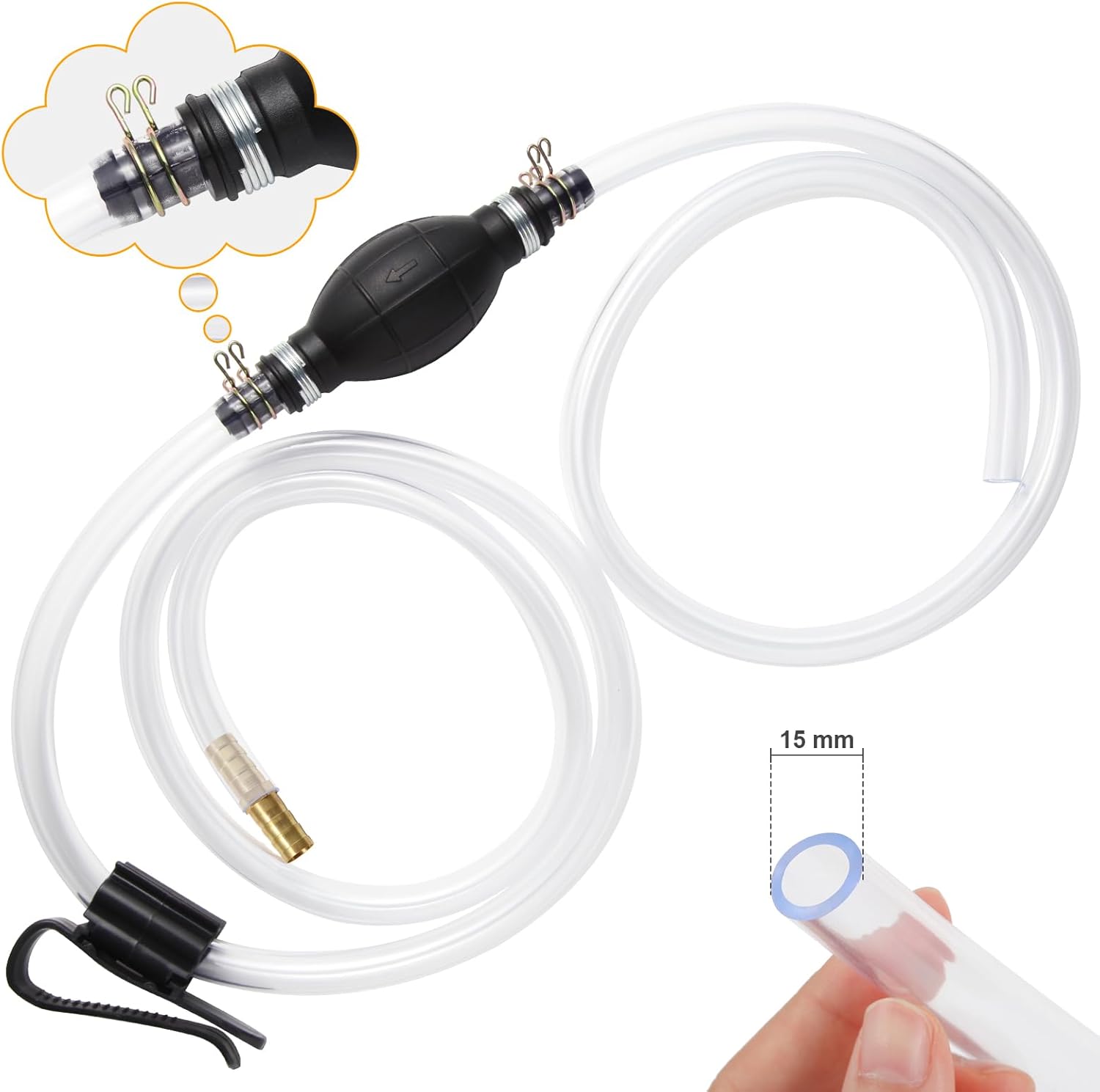
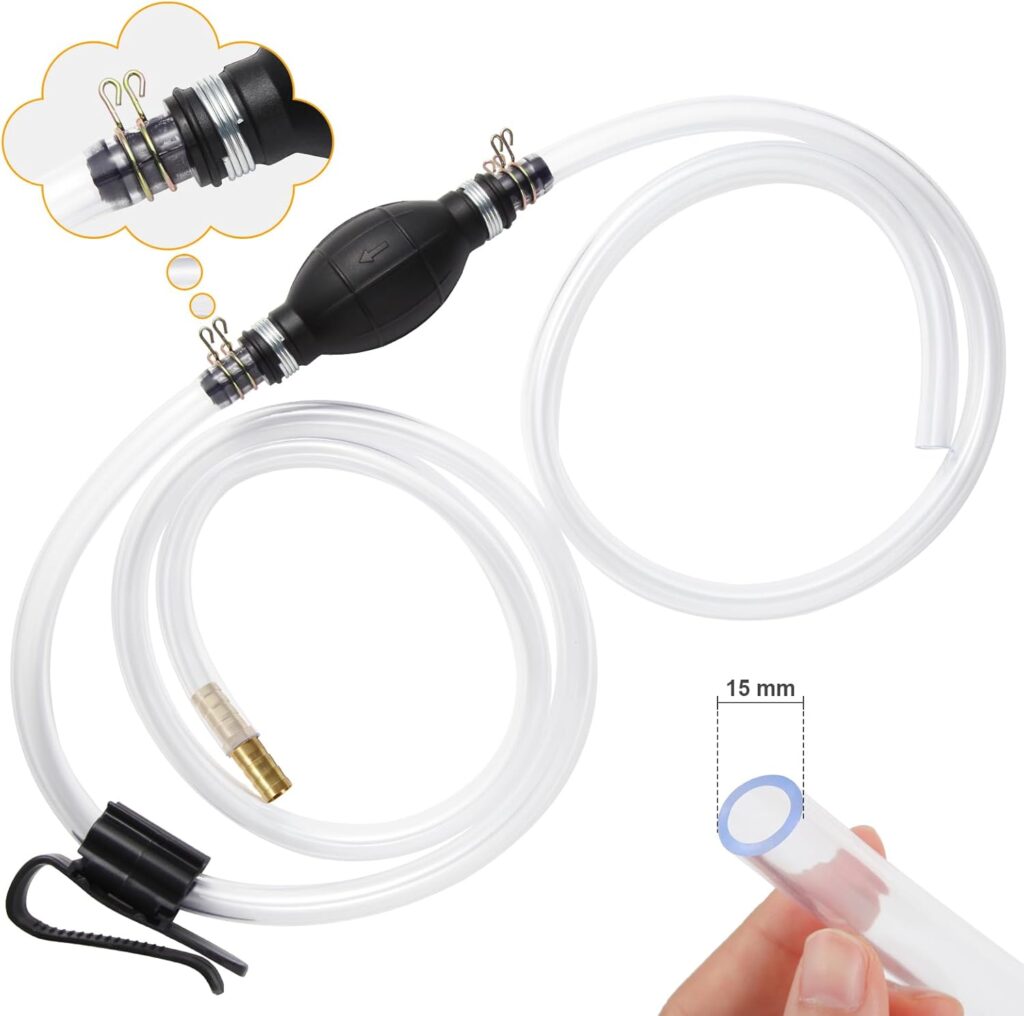
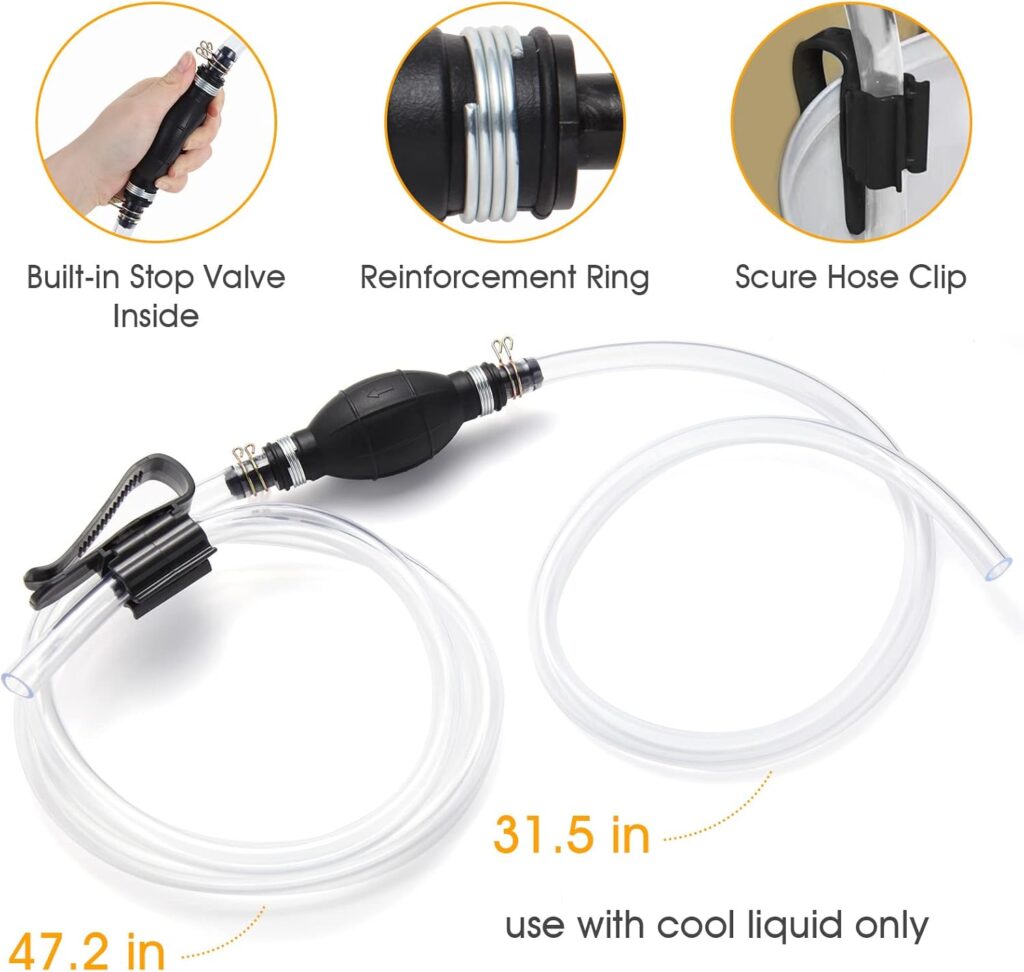
You’ll receive the pump assembly with a black siphon bulb and two PVC hoses plus metal clips and a hose clip to hold the hose in place. The hoses are upgraded to a 15 mm diameter for improved flow, and the entire pump weighs approximately 290 g, making it extremely portable.
Itemized Package Contents
You can expect the following items in the box: the black self-priming siphon bulb with an integrated one-way stop valve, two flexible PVC hoses, four metal clips to secure the hoses, and one hose clip to anchor the hose when transferring. Everything you need for basic manual fuel transfer will be included and prepped for quick assembly.

Feature Breakdown (Table)
This table gives you a quick look at the most relevant features, the specifications, and why they matter to you.
| Feature | Specification | Why it matters to you |
|---|---|---|
| Hose diameter | 15 mm (upgraded) | Larger diameter speeds up flow and reduces pumping time. |
| Weight | 290 g | Lightweight and easy to carry for emergency use. |
| Bulb | Black siphon bulb with one-way valve | Prevents backflow and makes priming simpler and safer. |
| Hoses | 2 premium PVC hoses | Flexible yet sturdy, good for common liquids (not for drinking). |
| Clips | 4 metal clips + 1 hose holder clip | Keeps connections tight to prevent leakage and slipping. |
| Compatible liquids | Gasoline, petrol, diesel, oil, water (not for drinking/edible oil) | Versatile for automotive and household tasks. |
| Portability | Manual, no electricity | Works anywhere you have manual access to the fuel source. |
| Intended use | Emergency transfer, tanks, fish tank water transfer | Multi-purpose for both automotive and home tasks. |
Key Features Explained
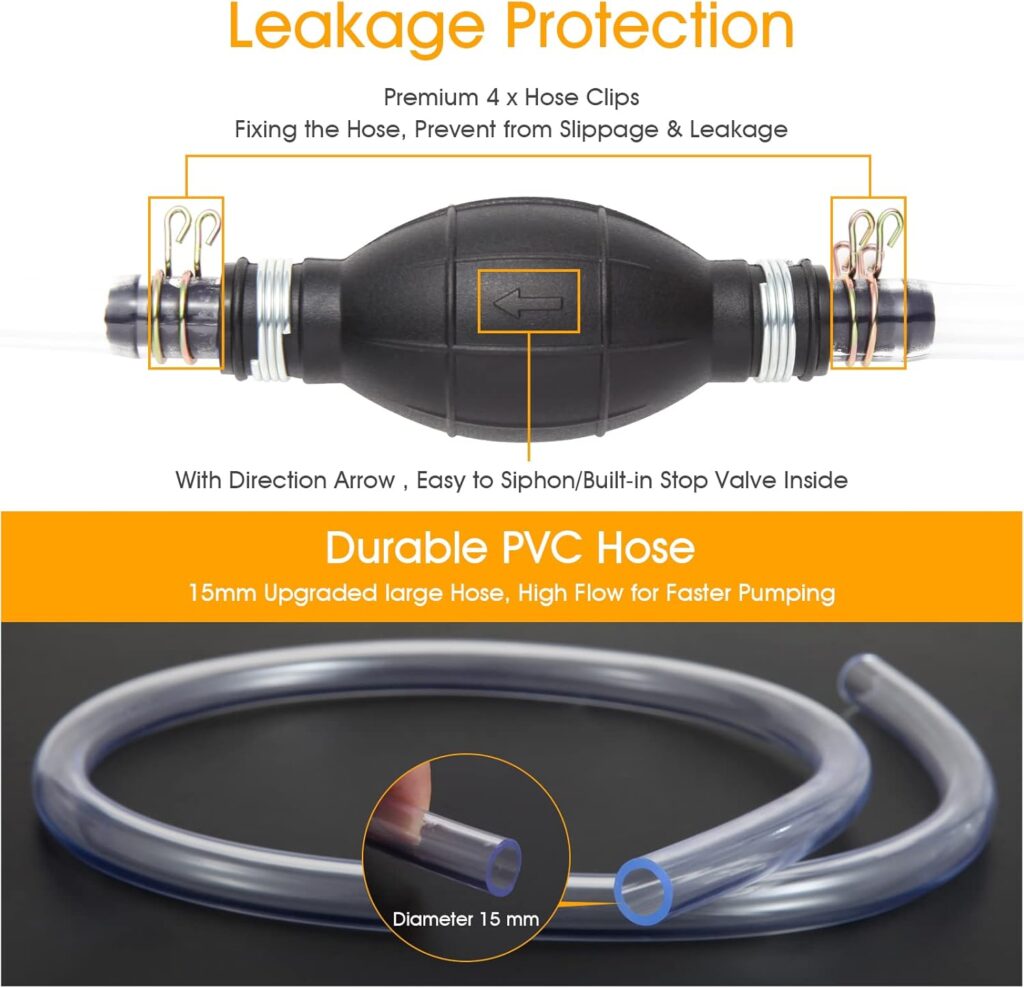
The most notable improvements over many generic siphon pumps are the upgraded 15 mm hose diameter and the one-way valve integrated into the bulb. These two design choices directly address common complaints about slow priming and backflow during transfer.
Faster and More Efficient Pumping
The larger 15 mm hoses let more liquid move with each squeeze of the bulb, so you’ll spend less time pumping and more time on the task at hand. The built-in one-way stop valve prevents the liquid from flowing back into the source when you pause, which helps maintain steady flow and reduces mess.
Portable and Easy to Use
At roughly 290 g, you can stash this pump in a trunk or emergency kit without adding noticeable weight. The bulb has an arrow showing flow direction, so you won’t guess which way to point hoses; simply attach, insert, squeeze, and let gravity complete the work.
Multi-Use Functionality
You can use this pump for gasoline, diesel, oil, and water, making it handy for automotive, small engine, and household tasks like emptying a fish tank. Note that the manufacturer specifically advises against using it for drinking water or edible oils to avoid contamination.
Premium Quality Components
The PVC hoses are flexible and durable while the metal clips secure hose-to-bulb connections tightly to prevent slippage and leaks. The hose holder clip helps you keep the discharge hose in the receiving container without spilling, which is a thoughtful touch for cleaner transfers.
Customer Support and Warranty Notes
If you receive a pump with missing or defective parts (excluding user-caused damage), the manufacturer promises to respond and provide a solution within 24 hours. That responsiveness can give you confidence that the seller stands behind the product.
Performance and Real-World Use
You’ll find this pump excels when you need to move moderate quantities of fuel quickly and without power. It’s particularly useful in situations where electric pumps aren’t practical, like field work, camping, or roadside emergency refueling.
Flow Rate and Practical Speed
While the manufacturer doesn’t state a precise liters-per-minute figure, the 15 mm hoses noticeably increase throughput compared to smaller consumer siphons. In practical terms you’ll feel the difference: fewer squeezes and shorter transfer time when moving fuel between containers.
Typical Use Cases
You’ll use this pump for topping off lawnmower tanks, draining water from aquariums, transferring fuel to generators, or emergency siphoning from a car’s gas tank. Its manual nature means you’ll be in control of flow, which is helpful when accuracy and safety matter.
How to Use the Pump (Step-by-Step)
You’ll find the pump straightforward to set up and operate; these steps will get you going quickly and safely.
- Inspect the pump and hoses for damage before use.
- Use the metal clips to ensure both hoses are securely attached to the bulb.
- Note the arrow on the bulb indicating flow direction; place the inlet hose into the source tank and the outlet hose into the receiving container.
- Use the hose holder clip to secure the outlet hose in the receiving container to avoid spills.
- Squeeze the bulb several times until liquid starts flowing and gravity takes over.
- Monitor flow; if it slows, give a few more squeezes to maintain the siphon.
- When finished, remove the hoses carefully and drain any residual liquid into the proper container.
You’ll appreciate how intuitive the process is once you get the direction and setup right, and the hose holder clip will keep things neat during transfer.

Safety Precautions You Must Follow
Fuel handling always carries risk, so you must follow common-sense safety rules to avoid fire, environmental contamination, or health hazards. Wear gloves, use eye protection if possible, and perform transfers outdoors or in a well-ventilated area to avoid inhaling vapors.
Avoid These Dangerous Practices
Never use the pump for drinking water or edible oils, as residues can contaminate the hoses and bulb. Do not smoke, use open flames, or create sparks near the transfer area; gasoline and diesel vapors are flammable.
Maintenance and Cleaning
To keep the pump working well, rinse or flush the hoses with an appropriate solvent or water after transferring non-hazardous liquids like water. For fuels, run a small quantity of a compatible cleaner or a safe fuel-compatible rinse to minimize residue in the hoses and bulb.
Storage Recommendations
You should dry the pump and hoses thoroughly before storing to reduce the risk of degradation, and keep the system in a cool, dark place away from direct sunlight to extend the life of the PVC. Use the hose clips to prevent kinks and store the hoses loosely coiled to avoid permanent bends.
Troubleshooting Common Issues
If you encounter trouble getting the pump to start or maintain flow, the likely culprits are air leaks, incorrect hose connections, or blocked hoses. Checking clip tightness, re-seating hoses on the bulb, and ensuring the bulb’s one-way valve isn’t obstructed will resolve most issues.
Solving No-Flow Problems
If squeezing the bulb doesn’t start the siphon, confirm the arrow direction and try priming by fully compressing the bulb before inserting the inlet into the liquid. Also check for small holes or cracks in the hoses and ensure the outlet hose is lower than the inlet to let gravity do its job.
Pros and Cons
You’ll want to weigh the benefits and limitations before you buy to make sure this pump fits your needs.
Pros
- Large 15 mm hoses speed up transfers and reduce effort.
- Lightweight and portable for emergency or portable use.
- Built-in one-way valve simplifies priming and prevents backflow.
- Includes clips and hose holder for secure, mess-free operation.
- Multi-use compatibility for fuel and non-potable liquids.
Cons
- Not suitable for potable water or edible oils, limiting use in food-sensitive tasks.
- Manual pumping still requires some effort for larger volume transfers.
- PVC hoses can degrade over very long-term exposure to certain fuels; periodic inspection is necessary.
You’ll find the benefits outweigh the drawbacks for most casual or emergency users, but for continuous or high-volume professional transfers you might prefer a powered pump.
Comparison with Other Transfer Solutions
When choosing a pump, you’ll compare manual siphon pumps like this one to electric pumps, smaller household siphons, and vehicle-integrated pumps. Each option has trade-offs in speed, portability, power requirements, and cost.
Manual vs Electric Pumps
Manual pumps like this are cheaper, simpler, and don’t need electricity, making them ideal for field use and emergencies. Electric pumps are faster and easier for large volumes but need batteries or mains power and cost more.
Manual Siphon vs Small Consumer Siphons
Compared to many small consumer siphons with thinner hoses, the upgraded 15 mm hoses provide faster flow and less effort. The integrated one-way valve also often outperforms cheaper models that require initial mouth suction or fiddly priming.
Manual Siphon vs Professional Transfer Pumps
Professional transfer pumps are built for high volume, continuous duty, and industrial applications, but they’re larger, heavier, and costly. If you only transfer periodically or for emergencies, this manual siphon gives you a convenient middle ground.
Who Should Buy This Pump
You should consider this pump if you need a low-cost, portable way to move fuel, water (not for drinking), or oil for small engines and household tasks. It’s especially useful if you keep backup gas for generators, need a method to siphon fuel in roadside situations, or want a lightweight pump for camping and outdoor projects.
Scenarios Where It Shines
If you maintain lawn equipment, have a backup generator, or need to empty aquarium water occasionally, this pump will make the tasks quicker and cleaner. It’s also a sensible addition to a car emergency kit because it doesn’t require power and is simple to operate.
Buying Tips and Considerations
When purchasing, check that the hoses are genuine PVC and that the clips are metal and not flimsy plastic, as those details affect durability. Verify the seller’s return and support policy in case parts are missing or damaged on arrival, so you can get replacements quickly.
What to Inspect on Arrival
When you receive your pump, look for secure hose connections, intact clips, and a functioning bulb valve; perform a quick dry test to verify that the bulb’s arrow and flow direction are correct. Don’t use the unit if you find split hoses or a bulb that won’t hold pressure—contact the seller for a replacement under their stated service promise.
Environmental and Legal Notes
You must be mindful of environmental regulations when transferring and disposing of fuels and oils, as spills can cause pollution and legal penalties in many areas. Always transfer over a sealed surface or with drip trays, and dispose of contaminated absorbents and rags per local hazardous waste guidelines.
Storage of Fuel After Transfer
Store transferred fuel in approved, labeled containers designed for gasoline and diesel, and keep them sealed and away from living areas. You’re responsible for safe storage and adherence to local fuel storage regulations.
Frequently Asked Questions (FAQs)
Can you transfer diesel and gasoline with the same pump?
Yes, you can transfer both diesel and gasoline, but you must clean or dedicate hoses if you want to avoid cross-contamination between different fuels. It’s best practice to use separate hoses for different fuels or to thoroughly flush the pump between uses.
Is this pump safe for ethanol-blended fuels?
The PVC construction is generally compatible with many fuels, but ethanol blends can be more aggressive to some materials over time, so inspect the hoses regularly for signs of degradation. If you transfer ethanol-blended fuels frequently, monitor hose condition and replace set parts as needed.
How long will the hoses last?
Lifespan depends on frequency of use, the type of liquids you transfer, and storage conditions; with proper care and storage you can expect reasonable service for months or years. Replace hoses if you see cracks, stiffness, or fuel smell indicating deterioration.
Can you siphon fuel directly from a vehicle fuel tank?
Yes, you can siphon from many vehicle fuel tanks, but check your vehicle manual and local laws—some vehicles have anti-siphon measures, and siphoning fuel may be restricted in some jurisdictions. Use caution not to damage fuel tank components or fuel lines when inserting hoses.
Will this pump work with hot liquids?
It is designed for common liquids like gasoline, diesel, oil, and water at normal ambient temperatures; avoid extremely hot liquids which may alter hose and bulb integrity. For hot-liquid applications you should seek a product explicitly rated for heat.
What if the pump leaks during use?
Stop immediately and inspect hose connections and clips; reseat hoses and tighten metal clips to prevent slippage. If the bulb or a hose is damaged, replace the defective part before continuing.
Troubleshooting Table
This short table helps you quickly diagnose and fix common issues you may run into.
| Symptom | Likely Cause | What you should do |
|---|---|---|
| No suction / no flow | Air leak, incorrect hose placement, bulb not primed | Check arrow direction, ensure hoses are secure, compress bulb to prime |
| Flow slows or stops | Air entry, kinked hose, outlet higher than inlet | Straighten hoses, add squeezes, lower outlet container |
| Leak at hose-bulb joint | Loose clip or damaged hose | Tighten metal clip or replace hose if damaged |
| Bulb won’t hold pressure | Valve obstruction or bulb damage | Inspect valve, clean or replace bulb if needed |
| Hose slips off | Clip missing or loose | Reattach metal clip and ensure correct seating |
Care, Spare Parts, and Replacements
You’ll want to keep spare clips and maybe an extra hose on hand if you plan to use the pump frequently. Metal clips tend to last but can get bent; keeping a small hardware kit or spare hose ensures you won’t be sidelined when a part fails.
When to Replace Components
Replace hoses when you notice cracks, stiffness, discoloration, or fuel odor that you can’t eliminate with cleaning. Replace the bulb if the one-way valve fails to maintain flow control or if the bulb shows permanent deformation.
Final Verdict
If you need a lightweight, low-cost, and reliable manual solution for transferring gasoline, diesel, oil, or water (non-potable), this Gasoline Siphon Hose Pump, Hand Fuel Transfer Pump, High Flow Gas Siphon Pump for water Gasoline Oil Petrol Diesel, Manual Fuel Pump with 2 Premium PVC Hoses is a very practical choice. You’ll appreciate the upgraded 15 mm hoses, one-way valve, included clips, and portability for emergency or occasional use, but keep in mind it’s not a substitute for powered pumps when you regularly move large volumes.
Quick Buying Summary
You should buy this pump if you value portability, ease of use, and a good balance between performance and price for moderate-volume transfers. If you require high-volume, continuous operation, consider a powered transfer pump instead, but for most homeowners, DIYers, and emergency kits this pump is a smart, cost-effective tool.
Disclosure: As an Amazon Associate, I earn from qualifying purchases.